

Maven Resource Blog
8 Signs Your Roof Needs Replacement, Not Just a Repair
Spot 8 clear signs that mean roof replacement beats a repair, from shingle wear to storm damage. Book a free roof inspection with us today.
Book a free roof inspection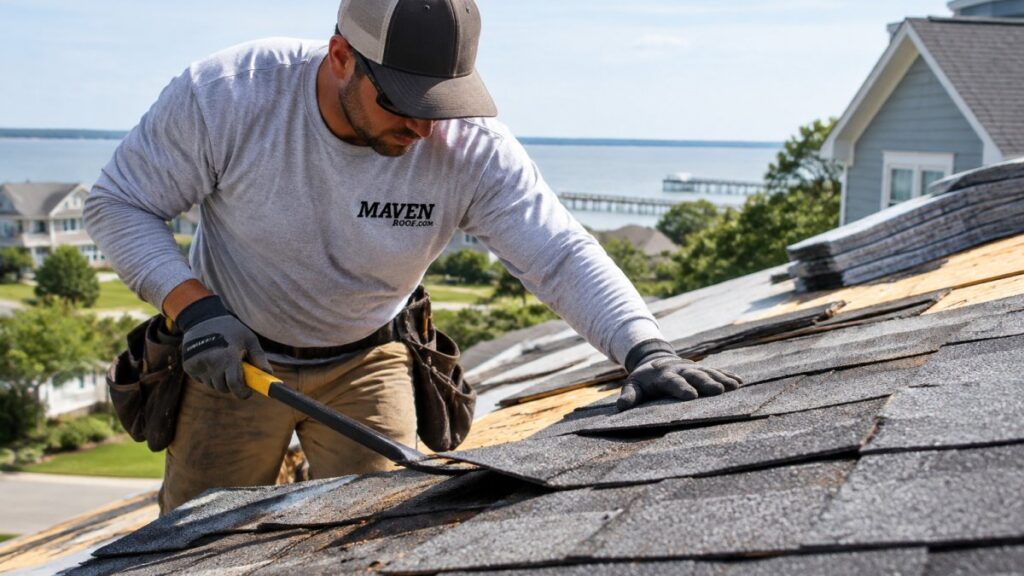
Last Updated: November 14, 2026
Quick Summary
You need roof replacement when damage is structural or widespread: sagging rooflines, soft or spongy decking, daylight through roof boards, leaks in multiple unrelated spots, or shingle failure across whole slopes. A single isolated problem on a roof with life left is usually a repair. We recommend a free inspection with photos before deciding.
- Widespread curling shingles across one slope usually points toward replacement, not repair.
- A roof over 20 years old with multiple leaks or repeat patches is a replacement candidate.
- Sagging rooflines and soft decking are structural signs that make replacement urgent.
- A contractor recommending replacement should walk the roof, check the attic, and show photos.
- Maven Roofing offers free roof inspections across Eastern North Carolina with no pressure.
Table of Contents
- 8 Warning Signs You Need a New Roof
- How to Find Out How Old Your Roof Is
- Should I Replace My Roof If It Is Not Leaking?
- How to Tell If a Flat Roof Needs Replacing
- Repair or Replace: A Practical Decision Framework
- What a Professional Roof Inspection Includes
- Book Your Free Roof Inspection
- Frequently Asked Questions
8 Warning Signs You Need a New Roof
Knowing how to tell if roof needs replacement starts with what you can see from the ground. At Maven Roofing, we tell Eastern North Carolina homeowners the same thing: your roof is telling you a story long before it fails. Below are the eight warning signs we look for on every free inspection, and what each one usually means.
Curling, Cupping, and Cracked Shingles
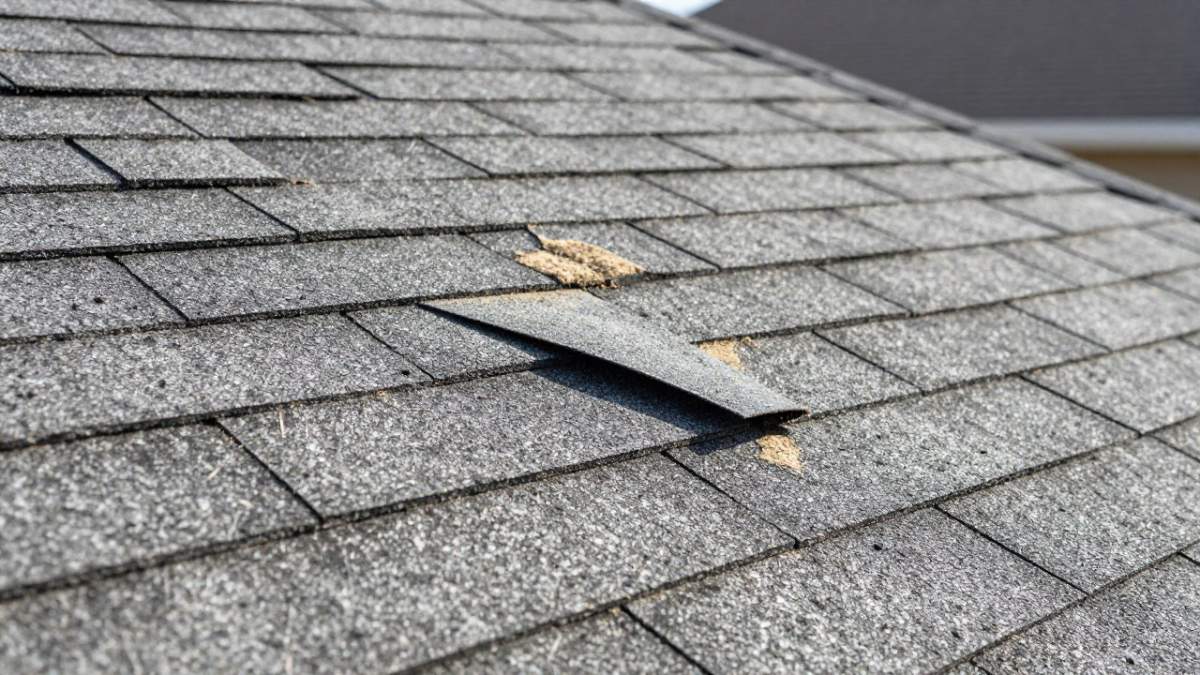
Shingles should lie flat and overlap cleanly. When edges curl upward or tabs cup like a bowl, the shingle is past its useful life. Cracked or missing shingles let water straight into the underlayment and decking. A few loose shingles after a storm can be a repair. Widespread curling across one slope usually points toward replacement.
Granule Loss and Bald Spots
New asphalt shingles arrive coated in granules that shield the asphalt from sun. Those granules end up in your gutters and at the bottom of downspouts. Bald spots mean the shingle is wearing thin, and the next step is a leak. Sun exposure speeds this up. If you spot granule loss early, prevention and care guidance for coastal roofs can help you slow it down.
Interior Leaks, Water Stains, and Attic Moisture
A brown ring on the ceiling is the roof’s way of asking for help. Water stains, peeling paint near the ceiling, and damp attic air all point to a roof leak. Look for daylight through roof boards and feel insulation for softness. Mold, mildew, and rot follow moisture quickly. If water is coming in now, learn how emergency leak repair works and what to do while you wait.
How to Find Out How Old Your Roof Is
Roof age is the fastest way to narrow down repair versus replacement. Most homeowners never got a folder at closing, so start with these sources:
- Closing paperwork or the seller’s disclosure from your purchase
- Permits on file with your city or county building department
- Receipts left in the garage, attic, or with a previous owner
- A home inspection report from when you bought the house
- The roofing contractor’s sticker or permit card near the attic access
Once you have a date, compare it to expected lifespan. Asphalt shingles have a limited service life, while metal generally lasts considerably longer, and heat, humidity, and hurricane exposure shorten those numbers. For a fuller breakdown, read this guide on how long a roof lasts in NC.
Should I Replace My Roof If It Is Not Leaking?
No, a dry roof does not automatically need replacement. A roof with years of life left and one isolated problem is a repair candidate. But “not leaking yet” is not the same as “healthy.” Shingles near the end of their lifespan have little left to give. The next hurricane or hailstorm can turn a worn roof into an emergency. Insurance carriers may take roof condition into account when deciding whether to renew a policy (How Your Roof Influences Your Home and Business Insurance). If your roof is aging and your coverage is at risk, a documented inspection gives you facts to work with.
How to Tell If a Flat Roof Needs Replacing
Flat roofs fail differently than shingle roofs. Standing water after rain is the first clue, since ponding stresses seams and drains. Check for:
- Bubbles or blisters in the membrane
- Splitting seams and open laps
- Soft, spongy spots underfoot
- Rusted or clogged drains
- Stains on interior ceiling tiles
A single blister may be repairable, while widespread seam failure, soft decking, or repeated leaks in different spots generally point toward replacement. Flat roofs need a hands-on look, so leave the walking to a professional.
Repair or Replace: A Practical Decision Framework
Most warning-sign lists stop at “here is what bad looks like.” The harder question is what to do about it. A roof replacement decision comes down to three factors weighed together: how severe the problem is, how far it has spread, and how much repair history the roof already carries. Any one factor alone can mislead you.
Step 1: Grade the severity
Sort what you found into three tiers.
- Cosmetic or isolated. A handful of lifted shingles after a wind event, one cracked tab, a single blister on a flat roof, or algae streaking on otherwise sound shingles. These are repair, cleaning, or rejuvenation candidates.
- Functional but contained. Active leaks in one area, worn flashing at a chimney or valley, granule loss concentrated on one slope, or ponding that clears within a day. Repairable if the decking is sound and the roof has life left.
- Structural or widespread. Sagging roofline, soft or spongy decking, daylight through the roof boards, leaks in multiple unrelated spots, or shingle failure across whole slopes. These point to replacement, and the structural items are urgent.
Step 2: Measure the extent
A single problem in a single place is a repair conversation. The same problem repeated across slopes, valleys, or the whole roof is a replacement conversation. Count the affected areas, not just the damage type. Three separate leak locations on a fifteen-year-old roof tell a different story than three missing shingles on one ridge.
Step 3: Weigh age and repair history
A roof that has been patched repeatedly is telling you something. Each repair buys time, but the pattern matters: frequent repairs on an aging roof usually mean the money is better spent on replacement. A young roof with one storm-related problem is the opposite case. Compare the roof’s age against expected lifespan for its material, then factor in how many times you have already called someone out.
Step 4: Match the situation to a likely path
| Situation | Likely Path |
|---|---|
| Under 15 years old, one isolated issue | Repair |
| Over 20 years old, multiple leaks or repeat patches | Replacement |
| Storm damage on an otherwise sound roof | Repair, with insurance documentation |
| Widespread granule loss or curling across slopes | Replacement |
| Sagging roofline or soft decking | Replacement, urgent |
| Widespread moss or algae on a sound roof | Cleaning or rejuvenation first |
| Ponding that clears, one flat-roof blister | Repair |
| Widespread seam failure or soft flat-roof decking | Replacement |
The honest rule: if repairs add up to a large share of replacement and the roof is already old, put the money toward a new roof. For a deeper walkthrough, this roof replacement vs. minor repair decision guide covers the tradeoffs in detail.
Watch out: a contractor who recommends replacement without walking the roof, checking the attic, and showing you photos of what they found is asking you to take their word for it. Ask to see the evidence before you decide.
What a Professional Roof Inspection Includes
A real inspection is more than a glance from the driveway, and knowing what it should include helps you verify any replacement recommendation you receive, from us or anyone else. Here is what a thorough inspection covers and the questions worth asking.
The walk-through, step by step
- Ground-level review first. We look at the roofline for sagging, check gutters and downspouts for granule buildup, and scan for lifted, missing, or discolored shingles before anyone goes up.
- Roof surface check, when it is safe. Shingle condition, flashing at chimneys, valleys, and penetrations, ridge and hip caps, and any storm damage. Steep or damaged roofs get assessed without walking them.
- Attic inspection from the inside. Decking condition, signs of daylight, water staining, and any moisture.
- Flat roof assessment. Membrane condition and seams, checked hands-on.
What the report should contain
A written summary of findings, with photos where available. That documentation matters if you file an insurance claim, because it gives your adjuster something concrete to work from. When damage is present, we can help document it and work with insurance adjusters.
Questions to ask before you accept a replacement recommendation
- Did you inspect the attic as well as the roof surface?
- Can I see the photos of what you found?
- Is this maintenance, storm damage, or normal wear?
- What happens if we repair instead, and how long would that buy us?
- What is the expected lifespan of my current material, and how does the roof’s age compare?
A recommendation you can verify is worth more than one you have to trust blindly. Our team is GAF Master Elite certified and veteran-owned, and we back our work with published warranty information.
Book Your Free Roof Inspection
You do not have to guess from the ground. Maven Roofing offers free roof inspections across Eastern North Carolina, with straight answers and no pressure. We will tell you what we see, what it means, and whether a repair or a roof replacement makes sense for your home. If you want to know how to spot an inspection scam before you call anyone, read that first, then reach out to us with confidence.
Your roof has been through hurricane season, salt air, and summer heat. Let us take a look before the next storm finds a weak spot. Maven Roofing provides free inspections, honest repair-or-replace guidance, and full roof replacement backed by published warranty information. Get started with Maven Roofing and know exactly where your roof stands.
Frequently Asked Questions
What are five signs that my roof needs to be replaced?
Five common signs are curled or cupped shingles, granule loss and bald spots, water stains on ceilings or attic walls, damaged flashing around chimneys and vents, and a sagging roofline. Any one of these warrants a professional inspection. Two or more together usually points toward roof replacement rather than a spot repair, especially on a roof past its expected lifespan.
Should I replace my roof if it is not leaking?
Not always, but a missing leak does not mean the roof is healthy. Granule loss, curled shingles, and damaged flashing can signal the roof covering is near the end of its service life even before water gets inside. A free roof inspection separates cosmetic wear from structural decline so you can plan a replacement on your schedule instead of reacting to a sudden leak.
How can I find out how old my roof is?
Check the original building permit or closing paperwork from when you bought the home, ask the previous owner, or look for a manufacturer label on the underside of roof decking in the attic. If none of that is available, a roofing contractor can estimate roof age from shingle type, wear patterns, and inspection findings. Asphalt shingles have a limited service life that coastal conditions can shorten.
Can a roofer tell whether my roof needs repair or replacement?
Yes. A professional inspection checks shingle condition, flashing, roof decking, attic ventilation, and signs of moisture intrusion. From those findings a roofer can tell you whether damage is isolated to one area or spread across the roof covering. Ask for the inspection findings in writing so you can compare repair versus replacement options and understand what drives each recommendation.
