

Maven Resource Blog
Free Roof Inspection: How to Spot a Scam in 2026
Learn how a free roof inspection works, how to spot storm chasers, and how to verify credentials before you sign. Book your free roof inspection online.
Book a free roof inspection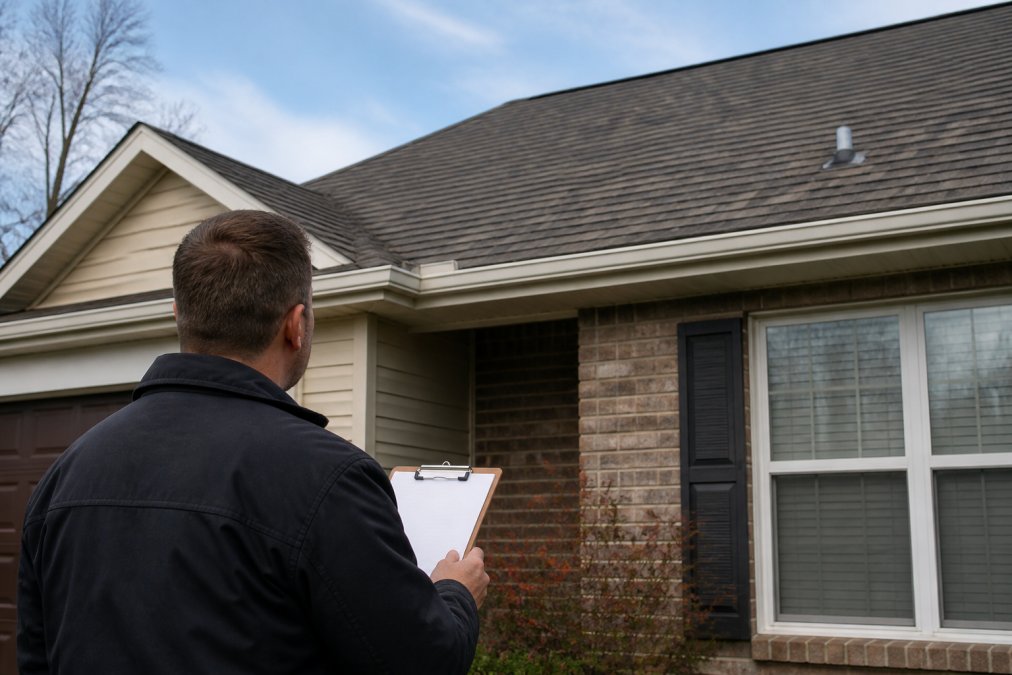
Table of Contents
- What a Free Roof Inspection Actually Includes
- The Roof Inspection Checklist a Certified Inspector Should Follow
- Signs of Roof Damage You Can Spot From the Ground
- How to Verify a Roofing Contractor Before You Say Yes
- When to Get a Roof Inspection and How Often
- Digital Inspection Evidence and Your Insurance Claim
- Questions to Ask Before You Book a Free Roof Inspection
- Frequently Asked Questions
Last Updated: September 25, 2026
What a Free Roof Inspection Actually Includes
A free roof inspection is a no-obligation assessment of your roof’s condition, performed by a roofing contractor at no cost, that documents damage, wear, and remaining roof life before you commit to any work. At Maven Roofing, we’ve performed these across Eastern North Carolina since 2015, and the legitimate version always ends with a written report, not a signature.
The phrase “free roof inspection” covers two very different things: a genuine diagnostic service, or a sales appointment wearing a hard hat.
A real inspection takes time: the inspector walks the roof when conditions allow, checks the attic from inside, photographs what they find, and hands you documentation you can keep.
The Difference Between an Inspection and a Sales Pitch
A certified inspector measures, photographs, and explains. They’ll tell you the roof has eight years left even if that means no work for them today. A salesperson arrives with a conclusion already written and works backward to justify it.
Never sign a contingency agreement during a free roof inspection. That document typically locks you into using that contractor for any insurance claim and sometimes assigns your claim rights to them. Read everything before you sign anything, and take the paperwork with you if you need time.
The Roof Inspection Checklist a Certified Inspector Should Follow
A thorough roof inspection covers eight areas, from shingle condition to attic ventilation, and a certified inspector documents each one. Skip the attic or the flashing and you’re getting a partial picture.
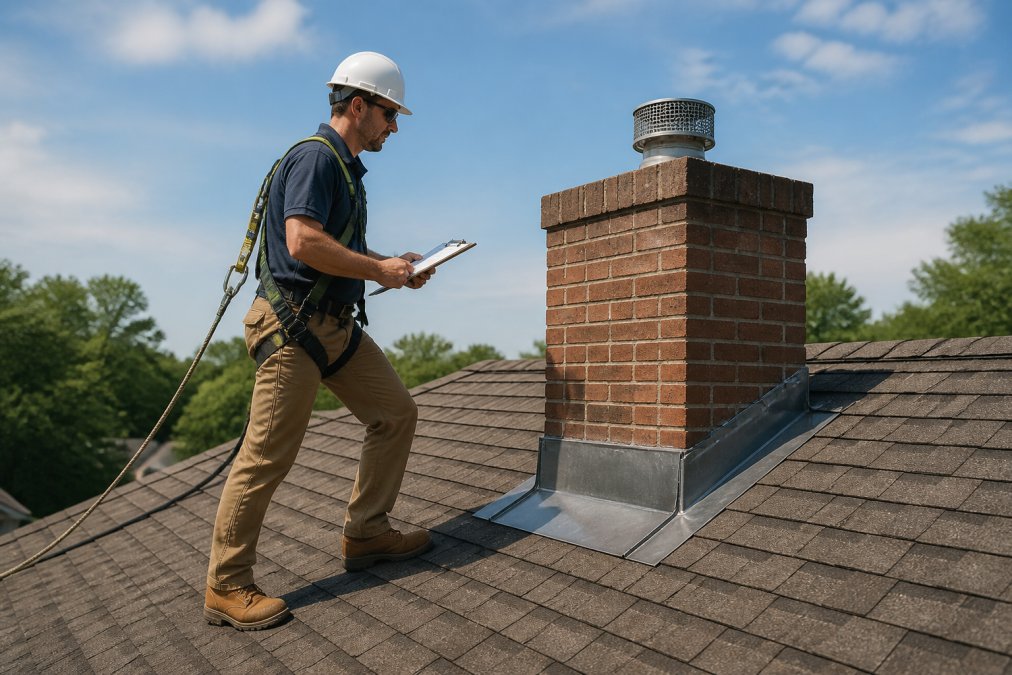
Roof Inspection Checklist
Use this list to follow along during your own free roof inspection. A professional will cover every item:
- Shingle condition: cracked, curling, missing, or granule-bare shingles
- Flashing: chimney, valleys, vents, and skylights sealed and intact
- Ventilation: intake and exhaust balance in the attic
- Gutters: granule buildup, sagging, and proper drainage away from the foundation
- Decking and structure: soft spots, sagging, or visible water staining
- Attic interior: daylight, mold, damp insulation, or staining on rafters
- Penetrations: pipe boots, satellite mounts, and chimney caps
- Roof life expectancy: an honest estimate of remaining years
Signs of Roof Damage You Can Spot From the Ground
You can identify meaningful roof damage from the ground using binoculars and attention to your gutters, the DIY half of the inspection that tells you whether a free inspection is worth booking.
The DIY Pre-Inspection Checklist
Walk your property after a storm, or once a season, and check these from the ground. Anything you mark “yes” to is a reason to book a professional inspection.
- Granules in gutters or at downspout outlets, shingles are wearing down
- Dark streaks or staining on shingles, often algae or moss growth
- Curling or lifting shingle edges visible along roof lines
- Missing shingles or exposed nail heads after high wind
- Sagging areas along the roofline
- Rusted, dented, or loose flashing around chimneys, vents, and skylights
- Water stains on ceiling or walls inside the home
- Daylight visible through the roof boards from inside the attic
- Damp or matted insulation in the attic
- Cracked or missing sealant around pipe boots and roof penetrations
What You Should NOT Do Yourself
There’s a hard line between what a homeowner can safely check and what requires a professional. Crossing it is how people get hurt and warranties get voided.
How to Remove Algae From Roof Shingles
Photograph everything you find from the ground before you call anyone. A dated photo of granules in the gutter or a ceiling stain gives the inspector a starting point and gives you a record if the damage turns into an insurance claim later.
For roofs with heavy moss or recurring growth, cleaning alone won’t stop it from returning. Maven Roofing offers roof rejuvenation services that treat the growth at the source and extend roof lifespan, often smarter than replacement for a roof with years left in it.
How to Verify a Roofing Contractor Before You Say Yes
Verify a roofing contractor by checking four things: state licensing, general liability and workers’ compensation insurance, a physical local address, and manufacturer certifications. All four are verifiable in under an hour, and any hesitation is your answer.
Here’s how to run the check:
- Licensing: Ask for the license number and confirm it’s active with the state licensing board.
- Insurance: Request a certificate of insurance and call the insurer to confirm it’s current.
- Local presence: Confirm a street address and a phone number that isn’t a call center.
- References: Ask for two local jobs completed in the last year, and call them.
- Written estimate: Insist on a written estimate with line items, not a verbal number.
Ask for the certificate of insurance to be sent directly from the insurance agent, not from the contractor’s office. It takes one phone call and eliminates the most common forgery trick in the trade.
Red Flags of Door-to-Door Solicitors and Storm Chasers
The biggest red flag is unsolicited contact immediately after a storm. Storm chasers follow weather systems, knock on doors, and offer same-day inspections with pressure to sign on the spot.
Book Your Free Roof Inspection Online →
Watch for these signals:
- They arrived uninvited, often within days of a storm
- They can’t show a local license or a physical local address
- They offer to “handle your insurance claim for you” and ask you to sign a contingency agreement
- They demand a large deposit upfront, in cash
- They pressure you to decide today because “the price goes up tomorrow”
- Their vehicle has out-of-state plates and no company branding
- They can’t name a single local reference
When to Get a Roof Inspection and How Often
Get a roof inspection once a year, plus after any major hail or wind event. If your roof is over fifteen years old, twice a year is reasonable, especially before and after hurricane season.
- A storm dropped hail larger than a half inch or produced wind gusts above 50 mph
- You’ve noticed granules in the gutters or dark staining on shingles
- Your homeowner’s insurance carrier has raised questions about roof age
- You’re buying or selling the home
- You’ve spotted a ceiling stain or damp attic insulation
The Insurance Claim Clock
Once an insurance claim is in play, timing matters. Every policy has a duty to report a loss promptly, and most carriers have a contractual window, often one year from the date of loss, sometimes shorter, for filing. Miss it and the carrier can deny the claim regardless of how obvious the damage is.
What a Free Inspection Should and Should Not Do for Your Claim
A legitimate free inspection gives you documentation you own, not the contractor control of your claim.
A fair inspection report should include:
- Geotagged photos of every damaged area, dated
- A written summary of findings with the inspector’s credentials
- A line-item estimate you can compare against other bids
- No signature required to receive the report
When to File, When to Repair, When to Wait
Never sign a contingency agreement or an assignment of benefits during a free roof inspection. Those documents can transfer control of your insurance claim to the contractor. Read everything before you sign anything, and take the paperwork with you if you need time.
The North Carolina Department of Insurance publishes consumer guidance on the claims process, filing deadlines, and what documentation carriers expect. Reviewing it before you file helps you avoid the most common delays.
Digital Inspection Evidence and Your Insurance Claim
Digital inspection evidence means photographs, video, moisture readings, and drone imagery collected during the inspection and delivered in a dated file. It’s the single most useful thing a free roof inspection can produce, and most homeowners never ask for it.
Ask your inspector to provide:
- Geotagged photos of every damaged area
- Drone imagery of steep or hard-to-reach sections
- Moisture and thermal imaging results where relevant
- A written summary with dates and inspector credentials
A free roof inspection is only as valuable as the evidence it leaves behind. If you walk away with nothing in writing, you paid for it with your time and got nothing back.
Questions to Ask Before You Book a Free Roof Inspection
Ask these questions before you book, and you’ll filter out most bad actors in one phone call.
Frequently Asked Questions
Are free roof inspections legit?
Yes, when they come from a licensed, insured local contractor with a physical address and a written report you keep. The inspection itself costs you nothing because the roofer earns the repair or replacement work if damage exists. It stops being legitimate when the visit is really a sales pitch, when you are pressured to sign a contingency agreement on the spot, or when the company cannot show licensing and insurance. Ask what the report includes before you book.
How much does a basic roof inspection cost if I pay for one?
Many contractors, including Maven Roofing, offer free roof inspections, so you often pay nothing. A paid inspection from an independent certified inspector is different because you receive a report you own with no repair work attached. Pricing depends on roof size, height, and how much of the attic and interior gets examined, so ask for a written quote before scheduling. For a free inspection, confirm in advance that no obligation and no contingency agreement are required.
What should be included in a professional roof inspection report?
A useful report covers shingle condition, flashing, ventilation, gutters, and any signs of roof damage such as granule loss, cracked sealant, or soft decking. It should include dated photos or drone and thermal imaging where access is limited, a note on roof life expectancy, and a clear recommendation: repair, rejuvenation, or replacement. Ask for the report in writing before you decide, and keep it for your insurance claim and home maintenance records.
What are the red flags of a roofing scam?
Watch for unsolicited inspections after a storm, door-to-door solicitors who demand an immediate decision, cash-only payment, no written estimate, and requests to sign a contingency agreement before any damage assessment. Storm chasers often lack local licensing and insurance, use high-pressure language about insurance claims, and disappear before the workmanship guarantee matters. Always verify contractor credentials, get a no-obligation written estimate, and never pay in full upfront.