

Maven Resource Blog
7 Insurance Requirements for Older Roofs That Catch Homeowners
Insurance requirements for older roofs can decide your coverage. Learn age thresholds, inspection rules, and what to do if your policy is dropped.
Book a free roof inspection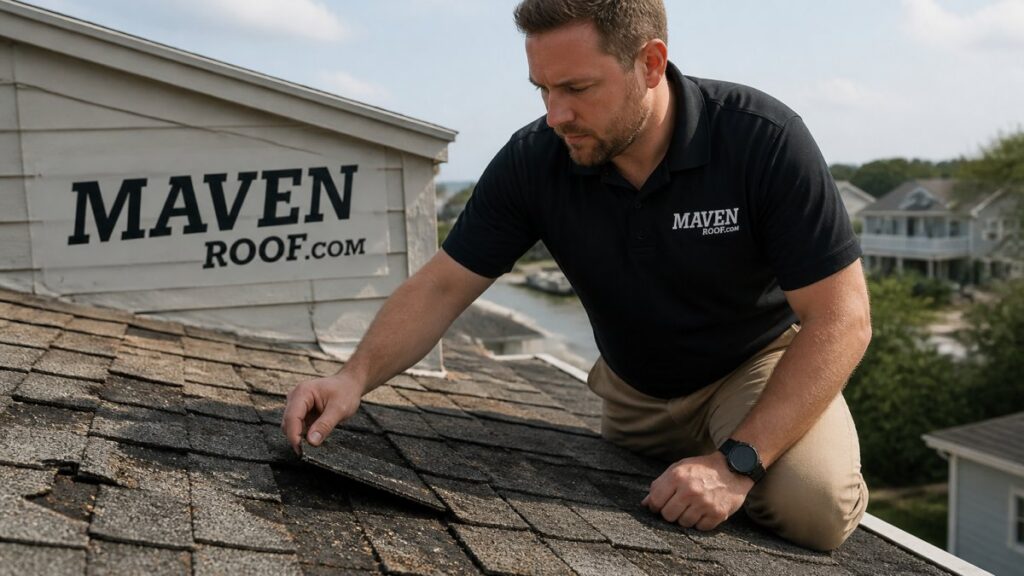
Last Updated: October 28, 2026
Quick Summary
Insurance requirements for older roofs are not a single national rule, so underwriting guidelines vary by carrier. Carriers flag roof age but decide on condition, meaning a well-maintained older roof with documented repairs may pass where a younger roof with granule loss and curling fails.
- Age gets the file flagged, but condition drives the underwriting decision.
- Gather your roof’s installation date, repair invoices, photos and a written inspection report before applying or renewing.
- An inspection report often states whether the roof is acceptable, acceptable with repairs, or not acceptable.
- Actual cash value pays replacement cost minus depreciation, leaving a large out-of-pocket gap on older roofs.
- If you receive a nonrenewal notice, read it for dates and shop for coverage early before the lapse date.
Table of Contents
- Why Insurers Scrutinize Older Roofs
- Homeowners Insurance Roof Age Requirements
- Insurance Roof Inspection Requirements
- Replacement Cost vs. Actual Cash Value on an Older Roof
- What to Do If Homeowners Insurance Drops You Because of Your Roof
- Storm Damage Roof Insurance Claim Process
- Book Your Free Roof Inspection
- Frequently Asked Questions
Why Insurers Scrutinize Older Roofs
Insurance requirements for older roofs come down to one idea: the roof is the home’s first line of defense, and insurers price risk accordingly. A roof near the end of its service life is more likely to leak, and a leak can damage everything under it. That is why carriers ask about roof age, roof condition, and visible wear before they agree to cover a home.
At Maven Roofing, we help homeowners across Eastern North Carolina assess roof condition. A roof that looks fine from the street can still raise questions on an inspection report.
The stakes are real. A policy nonrenewal letter can force a rushed decision. Below, we break down the requirements that can affect homeowners, plus a checklist you can use before your next renewal.
Homeowners Insurance Roof Age Requirements
There is no single national roof-age rule. Underwriting guidelines can vary by carrier. That is why two homeowners with identical roofs can get different answers from different carriers.
How carriers actually evaluate roof age
- Condition-based underwriting. Age gets the file flagged; condition drives the decision. A well-maintained older roof with documented repairs may pass where a younger roof with granule loss and curling fails.
Material matters more than a single number
- Asphalt shingles.
- F-Wave synthetic shingles.
- Standing-seam metal.
- Flat roofing systems.
State rules and consumer protections
Homeowners should confirm the specific notice and underwriting rules that apply to their policy. The North Carolina Department of Insurance is a starting point when a carrier’s decision seems inconsistent with your policy language.
Do not assume a new carrier will accept your roof because your current one did. A fresh application can trigger a fresh inspection.
What to gather before you apply or renew
Before a renewal or a new application, pull together:
- The roof’s installation date or permit record, if available
- Any contractor invoices for repairs or replacement
- Photos showing current condition, including close-ups of flashing and valleys
- A written inspection report from a qualified roofer
If you do not have a current report, book a free roof inspection.
Insurance Roof Inspection Requirements
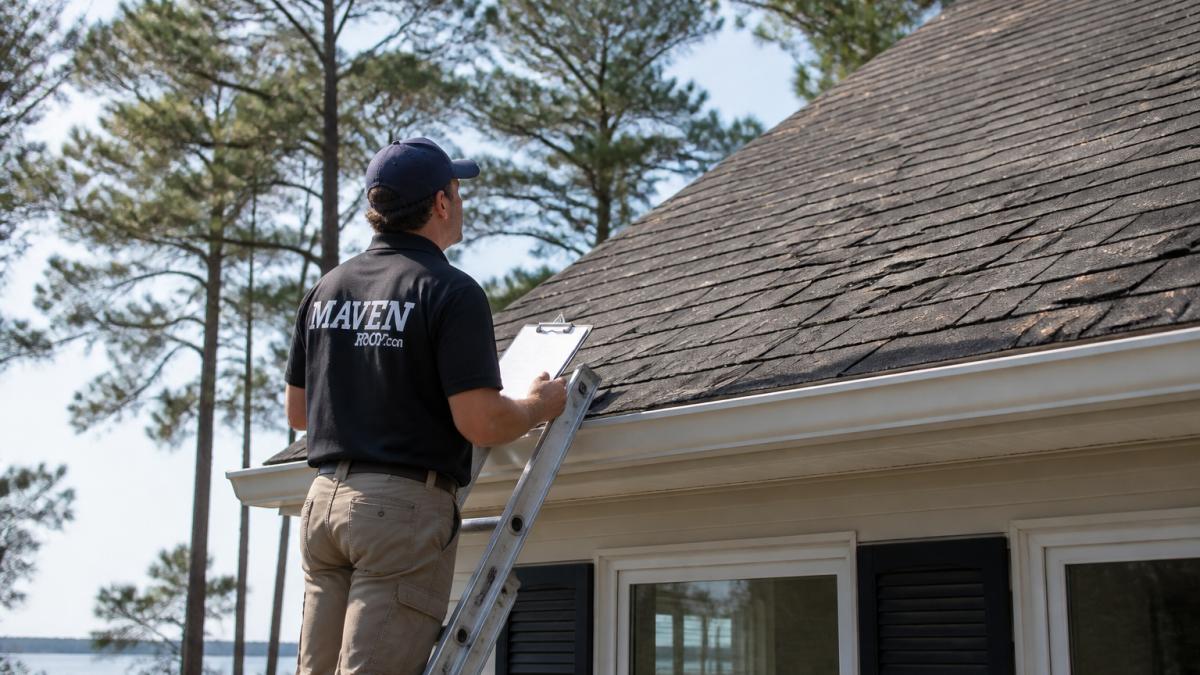
An insurance roof inspection is a visual assessment of roof condition. It is not a repair estimate or a negotiation.
What inspectors typically document
An inspection may document roof conditions such as:
- Curling, cracking, or missing shingles
- Granule loss on asphalt shingles
- Exposed fasteners or lifted flashing
- Moss, algae, or standing water
- Signs of prior leaks or patched areas
- Sealant or tar used in place of proper repairs
How to read the inspection report
Read the report for three things:
- The recommended action. Reports often state whether the roof is acceptable, acceptable with repairs, or not acceptable. That recommendation usually maps directly to the carrier’s next step.
What insurer notices typically ask for
A carrier notice may ask for action such as:
Read the notice carefully.
A pre-renewal preparation checklist
Before renewal, consider this checklist:
- Locate your roof’s age record. Permit records, closing documents, or contractor invoices all help.
- Get your own inspection. A written report from a roofer documents roof condition.
- Complete and document minor repairs. Keep invoices and before-and-after photos.
- Address debris and organic growth.
- Confirm your contact information with the carrier. Notices go to the address on file; a missed notice is a missed deadline.
- Ask the carrier what documentation it will accept.
- Start early. Do not wait until the notice arrives to begin gathering records.
If you want a clear picture of your roof, book a free roof inspection.
Replacement Cost vs. Actual Cash Value on an Older Roof
Policy terms determine how a claim is settled. Review your policy to understand the coverage that applies to your roof.
| Coverage Type | How It Pays | Best For | Watch For |
|---|---|---|---|
| Replacement cost | Full cost of new roof, minus deductible | Newer roofs with years left | Higher premium |
| Actual cash value | Replacement cost minus depreciation | Older roofs, budget policies | Large out-of-pocket gap |
| ACV with recoverable depreciation | Pays depreciated amount, then releases holdback | Owners who complete the work | Deadlines to claim the holdback |
If you are weighing a payout against a new roof, read whether a full roof replacement is worth the investment before you decide.
Book Your Roof Inspection Online →
What to Do If Homeowners Insurance Drops You Because of Your Roof
If you receive a nonrenewal notice, read it carefully for dates.
Consider these steps:
-
Read the notice for the stated reason. It usually names roof age or condition.
-
Get your own inspection. A written report documents roof condition.
-
Complete documented repairs. Keep invoices and photos as proof of repairs.
-
Shop for coverage early. Do not wait until the lapse date.
If you are deciding whether to bring in outside help with the claim side, our guide on whether hiring a public adjuster is worth it walks through the trade-offs.
Storm Damage Roof Insurance Claim Process
If you notice possible wind or hail damage, document what you see and review your policy for claim instructions.
- Document the damage. Photograph everything before any temporary repairs.
- Prevent further damage. Tarping and minor mitigation are expected; permanent repairs before an adjuster visits are not.
- File the claim. Report the date of loss and what you observed.
- Meet the adjuster. Have your inspection report and photos ready.
- Review the scope. Compare the adjuster’s scope to your contractor’s findings.
- Complete the work and keep records. Save every invoice and photo.
Not sure what you are looking at? Our step-by-step guide on how to identify roof storm damage covers what to photograph. If you are ready to file, the walkthrough on filing a wind damage insurance claim lays out the paperwork. And if the storm just hit and you need to act now, start with what to do if your house is damaged by a storm.
For questions about your policy or claim, consult your insurer or an appropriate official resource.
Book Your Free Roof Inspection
A free roof inspection can help you understand your roof’s condition.
Maven Roofing is veteran-owned and GAF Master Elite certified. We provide free roof inspections with no-pressure recommendations, and we document damage and work with insurance adjusters when appropriate. We also offer roof rejuvenation and roof replacement.
Do not wait for the renewal letter. Get the facts on your roof first. Book your free roof inspection online with Maven Roofing and walk into your next renewal prepared.
Frequently Asked Questions
Can homeowners insurance deny coverage because of an old roof?
An insurer’s decision depends on the policy and its underwriting requirements. If you receive a denial or nonrenewal notice, review it and consider getting a professional inspection to document roof condition.
How does roof age affect homeowners insurance coverage?
Review your policy and ask your insurer how roof age affects your coverage. A roof inspection can document its condition.
What should I do if my insurer asks me to replace my roof?
Review the request and any stated deadline. Then schedule a professional roof inspection to assess roof condition and discuss repair, rejuvenation, or replacement. Review your policy and contact your insurer with questions about its requirements.
How can a roof inspection help with an insurance review?
A roof inspection can document visible roof conditions, including wear or possible storm damage. Ask the inspector what the report covers.
