

Maven Resource Blog
File a Wind Damage Insurance Claim: Step-by-Step Guide
Learn how to file a wind damage insurance claim with this step-by-step guide. Document damage, review coverage, and avoid common denial reasons. Get.
Book a free roof inspection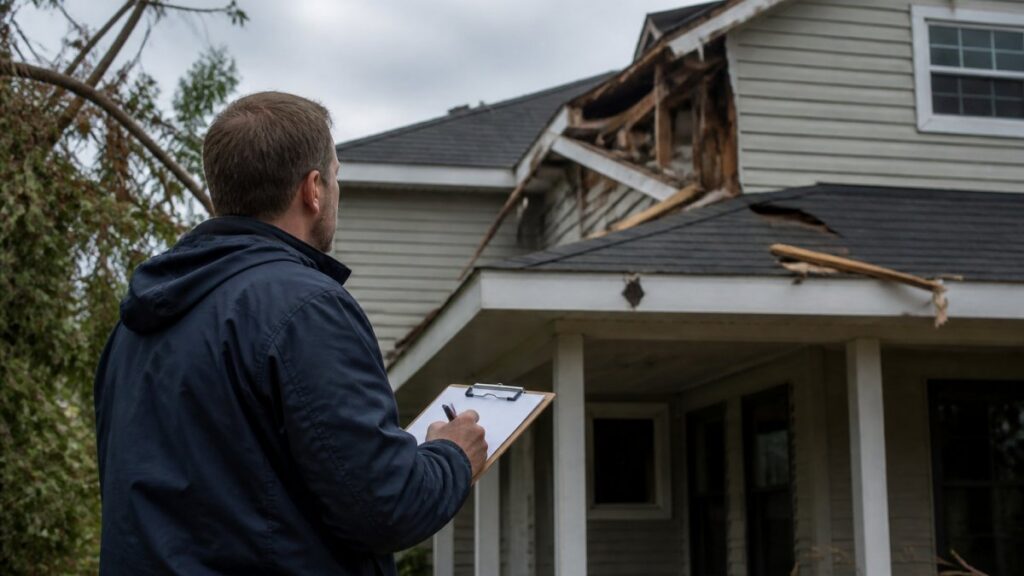
Table of Contents
- Should You File a Claim? The Claim vs. No Claim Decision Matrix
- How to Document Roof Damage for Insurance
- Review Your Policy Coverage Before Filing
- Steps to File Your Wind Damage Insurance Claim
- Wind-Driven Rain vs. Wind Damage: Understanding the Distinction
- Common Reasons Claims Get Denied
- How to Appeal a Denied Wind Damage Claim
- When to Hire a Public Adjuster
- Frequently Asked Questions
Last Updated: September 30, 2026
Should You File a Claim? The Claim vs. No Claim Decision Matrix
Before you file a wind damage insurance claim, ask yourself one critical question: will this claim actually help my finances, or will it hurt them?
Filing a claim can trigger a premium increase, create a claims record that affects future insurability, or result in a denial. The decision depends on repair cost, your deductible, and risk tolerance.
Here’s the framework:
| Repair Cost | Deductible | Recommendation |
|---|---|---|
| Under $2,500 | $1,000+ | Don’t file, costs don’t justify the claim record |
| $2,500-$7,500 | $1,000-$2,500 | Evaluate carefully, weigh repair cost against premium risk |
| Over $7,500 | Any | File, the benefit typically outweighs the premium impact |
The real cost of filing isn’t just your deductible, it’s the potential premium increase and claims record. If your out-of-pocket cost (repair minus coverage) is less than the expected premium increase over three years, skipping the claim often makes financial sense.
Check your policy’s specific language on wind damage claims. Some insurers impose surcharges specifically for wind-related claims, even if the claim is approved. Ask your agent about this before filing.
How to Document Roof Damage for Insurance
Your insurance company will not approve a claim based on your word alone. They need proof.
Start immediately after the storm passes. Take photographs and video from multiple angles: wide shots showing overall damage, close-ups of damaged shingles and exposed underlayment, and debris on the ground to establish wind force.
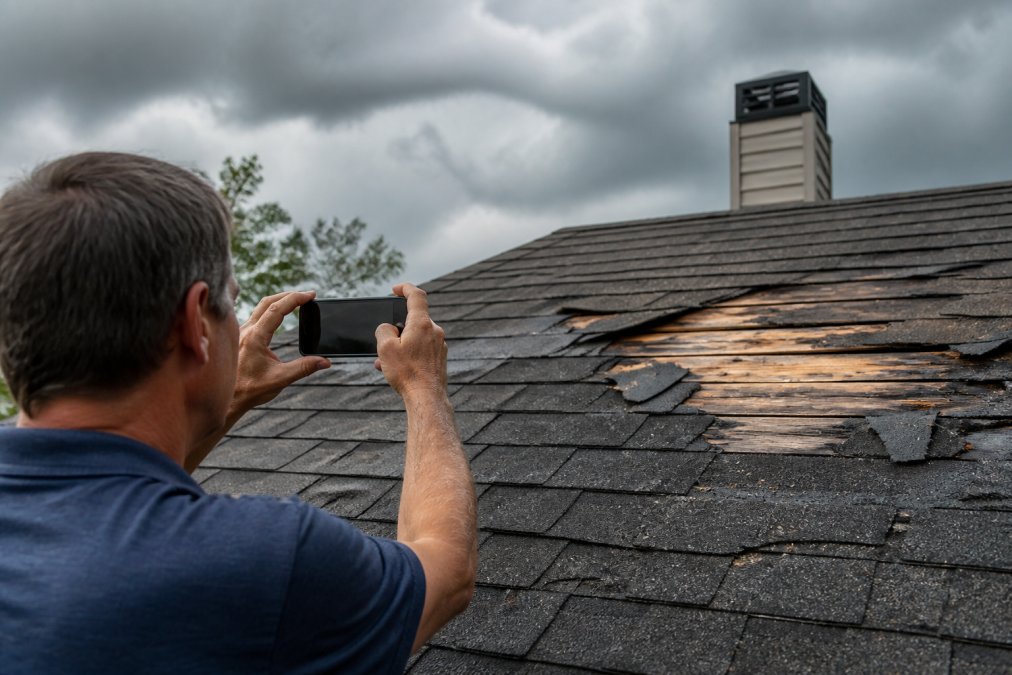
Digital Evidence Best Practices
Photograph everything in daylight with clear visibility. Insurers dismiss poor-quality photos immediately.
Verify date and location metadata on your photos. If your camera lacks location data, write the date and address on paper, photograph it alongside the damage, and include that image in your claim file.
Create a video walkthrough of the entire roof, narrating what you see. This narrative context helps the adjuster understand the damage.
Store all documentation in a digital folder organized by date and back it up to cloud storage immediately.
Compiling Repair Estimates and Line-Item Documentation
Get at least two contractor estimates. Multiple quotes strengthen your position if there’s a dispute.
Each estimate should break down repairs by line item: shingles replaced, labor, materials, disposal, and additional work. Detailed estimates carry more weight than vague ones.
Include the contractor’s name, license number, and contact information on every estimate. Insurers verify that contractors are licensed and insured. An estimate from an unlicensed operator may be dismissed outright.
If the contractor identifies structural damage or additional issues during assessment, request a separate written summary of those findings. This becomes evidence if your insurer’s adjuster misses the same damage.
Review Your Policy Coverage Before Filing
Your homeowners insurance policy defines what wind damage is covered. Read your declarations page and coverage section carefully.
Most standard homeowners policies cover sudden wind damage to your roof, but exclude damage from wear and tear, lack of maintenance, or pre-existing conditions. If your roof is old and the insurer determines damage was accelerated by age rather than wind, they may deny or reduce the payout.
Check your policy for wind-related exclusions. Some policies exclude wind damage in high-risk areas, cap payouts at a percentage of replacement cost, or require a separate wind deductible on top of your standard deductible.
Understand the difference between actual cash value (repair cost minus depreciation) and replacement cost value (full repair cost without depreciation). Replacement cost coverage is worth the premium.
Don’t assume your policy covers everything. Insurers frequently deny claims because the damage falls under a specific exclusion the homeowner didn’t know existed. Call your agent and ask explicitly: “Is wind damage to my roof covered under my current policy?”
Steps to File Your Wind Damage Insurance Claim
Step 1: Report the damage within 24-48 hours. Call your insurer’s claims line with your policy number, damage description, and date. The insurer will assign a claim number and schedule an adjuster inspection.
Step 2: Prevent further damage. Take temporary measures to protect your home (such as tarping). Document these repairs with photos and receipts. Failure to mitigate damage can result in reduced payout.
Book Your Free Roof Inspection Online →
Step 3: Compile your documentation. Gather photographs, video, contractor estimates, and receipts. Organize them chronologically and by category. Create a summary document listing what you’re submitting.
Step 4: Submit your claim package. Provide documentation to your insurer through your agent or claims portal. Keep copies of everything.
Step 5: Cooperate with the adjuster inspection. Walk the roof with the adjuster if safe. Point out specific damage, show your documentation, and answer questions directly.
Step 6: Review the adjuster’s report. The insurer will send you a damage assessment and payment estimate. Check it against your estimates and documentation. If the assessment seems low or misses damage, you have the right to dispute it.
Homeowners Insurance Claim Process Timeline
Filing to initial adjuster inspection: 3-7 days. Adjuster inspection to damage report: 5-14 days. Damage report to insurer decision: 2-7 days. Approval to payment: 1-3 days. Total timeline: 11-31 days from filing to payment is typical. Complex claims or disputes can extend this to 60+ days.
Wind-Driven Rain vs. Wind Damage: Understanding the Distinction
This distinction matters because your policy may cover one but not the other.
Wind damage is structural damage caused directly by wind force: missing shingles, torn fascia, broken roof decking, or damaged framing. Wind damage claims are usually covered under standard homeowners policies.
Wind-driven rain is water that enters your home through openings created by wind or through existing vulnerabilities that wind exposes. If your roof is missing shingles due to wind, and rain then leaks through the opening, that’s wind-driven rain. The coverage question becomes: is the water damage itself covered, or only the wind damage that caused it?
Most policies cover wind-driven rain if it results from a covered peril (wind). However, some policies exclude water damage that enters through pre-existing gaps, poor sealing, or maintenance issues. An insurer might approve the wind damage claim but deny the water damage claim if they determine the water entered through a pre-existing leak path.
Document the sequence carefully. Photograph the structural damage (missing shingles) first, then photograph any water stains or interior damage. This timeline helps prove the water damage resulted from the wind event, not from prior conditions.
Wind damage and wind-driven rain are separate coverage questions. Your policy may approve one and deny the other. Know the distinction before filing.
Common Reasons Claims Get Denied
Understanding why claims fail helps you avoid the same pitfalls.
Insufficient documentation. You submit vague descriptions without photos or estimates.
How to Appeal a Denied Wind Damage Claim
A denial isn’t the end. You have the right to appeal.
When to Hire a Public Adjuster
A public adjuster is an independent professional who represents you in disputes with your insurer. They’re paid a percentage of the claim settlement (typically 5-10%), so they only profit if they recover more money for you.
Hire a public adjuster if:
- Your claim was denied and you believe the denial is unjustified
- The insurer’s damage assessment is significantly lower than your contractor’s estimate
- The claim involves structural damage or complex coverage questions
- You lack the time or expertise to handle the appeal yourself
- The claim amount is large enough to justify the fee
Don’t hire a public adjuster if:
- Your claim was approved and you’re satisfied with the settlement
- The claim amount is small (under $5,000), the fee may exceed the recovery
- Your insurer is cooperating and the process is moving smoothly
Frequently Asked Questions
What specific types of wind damage are typically covered by homeowners insurance?
Most homeowners insurance policies cover wind damage to roofing, structural components, and personal property when caused by sudden, violent windstorms. Coverage typically includes damage from hurricanes, tornadoes, and severe straight-line winds. However, policies generally exclude damage from wear and tear, gradual deterioration, or failure to maintain your property. Review your policy’s specific exclusions and coverage limits, as they vary by insurer and region. Wind-driven rain damage may fall into a gray area, many policies exclude it unless the wind first breached your roof’s structural integrity.
How do I document wind damage for an insurance claim?
Start by taking photographs and videos of all visible damage from multiple angles, including wide shots and close-ups of affected areas. Capture interior damage like water stains or structural issues. Create a written inventory listing each damaged item or area with descriptions and approximate age. Obtain written estimates from licensed contractors detailing the scope of repairs needed. Keep all receipts for emergency repairs or temporary mitigation efforts. Store digital evidence in cloud backup and print copies. Document the date and time of the storm, weather conditions, and any visible debris patterns. This comprehensive documentation strengthens your proof of loss and supports your claim during the adjuster’s inspection.
Will my insurance premiums increase after filing a claim for wind damage?
Premium increases after a wind damage claim depend on your insurer’s underwriting policies and your claim history. Some insurers do not raise rates for a single weather-related claim, while others may increase premiums by 5-15% or more. The increase typically lasts 3-5 years on your record. If you file multiple claims within a short period, your insurer may consider you a higher-risk customer and increase rates more substantially or even non-renew your policy. Before filing, weigh the claim payout against potential premium increases. For minor damage below your deductible, filing may not make financial sense. Contact your agent to discuss your specific policy’s claims impact before submitting.
What should I avoid saying to an insurance adjuster during an inspection?
Do not exaggerate or speculate about damage, stick to observable facts. Avoid admitting fault for maintenance issues or pre-existing damage, as this can reduce your payout. Do not discuss previous claims or unrelated property issues. Never accept a settlement offer on the spot without reviewing it thoroughly. Avoid vague statements like ‘the roof is ruined’, be specific about what you observe. Do not volunteer information about temporary repairs or mitigation steps beyond what the adjuster asks. If asked about the storm’s timing or severity, provide factual details only. Keep conversations professional and document what was discussed. If the adjuster’s assessment seems low, request itemized estimates and do not sign documents until you fully understand the settlement terms.