

Maven Resource Blog
Is Roof Moss Removal Worth the Cost
Determine if roof moss removal justifies the expense. Learn about damage risks, removal methods, and when cleaning protects your investment.
Book a free roof inspection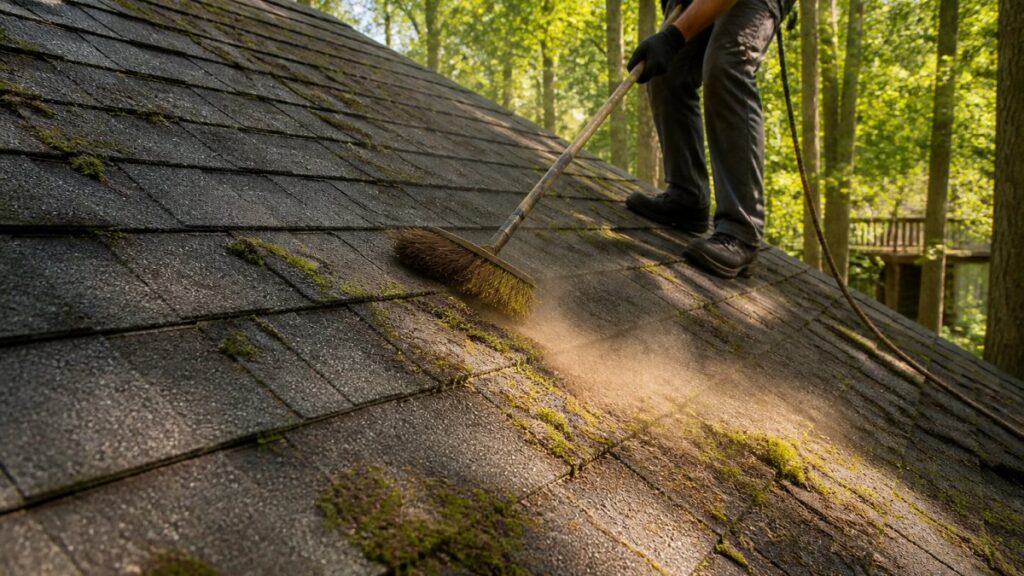
Table of Contents
- Does Moss Damage Roof Shingles
- How to Remove Moss from Roof Shingles
- Roof Moss Treatment: Lifespan and Recurrence
- How Often to Clean Roof Shingles
- Cost-Benefit Analysis: Removal vs. Monitoring
- Safety and Professional Assessment
- Frequently Asked Questions
Last Updated: October 17, 2026
Does Moss Damage Roof Shingles
Whether is roof moss removal worth the cost depends on what moss does to your roof.
At Maven Roofing, we’ve assessed thousands of roofs across Eastern North Carolina, and moss-covered roofs consistently wear faster than clean ones.
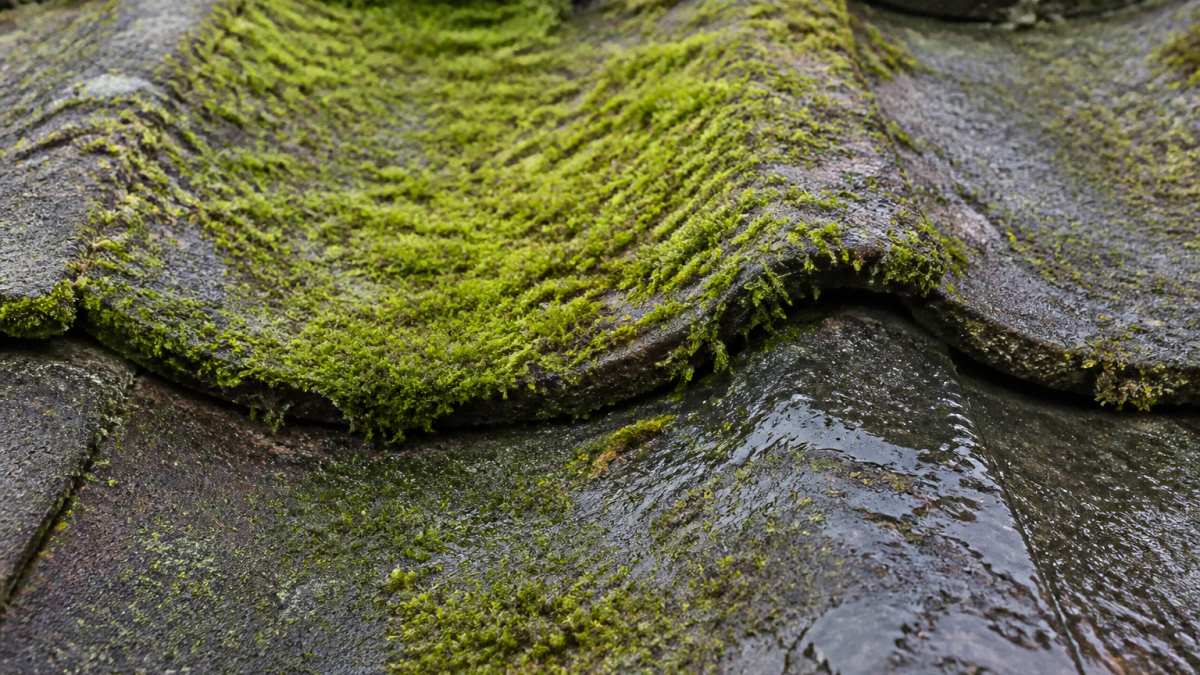
How Moss Traps Moisture and Creates Problems
Moss acts like a sponge, absorbing and holding water far longer than bare shingles would. That trapped moisture creates a damp microclimate that accelerates the breakdown of asphalt and wood components.
The problem compounds in coastal areas, where salt spray, high humidity, and frequent rain and dew create ideal moss conditions. With moss present, that moisture stays pressed against your shingles instead of running off.
Over time, this continuous dampness can lead to:
- Accelerated granule loss on asphalt shingles
- Wood rot in wood shake roofs
- Weakened nail integrity
- Increased risk of water penetration into the roof deck
When Moss Is Mainly a Cosmetic Issue
Not every moss-covered roof requires immediate removal, sometimes moss is mainly a curb-appeal problem rather than a structural threat.
If your roof is relatively new, drains properly, and the moss coverage is light, you can monitor the situation.
But “cosmetic” can shift to “structural concern” quickly: a light moss problem can become serious within 12-24 months, especially during rainy seasons or after storms that reduce drainage efficiency.
How to Remove Moss from Roof Shingles
Removing moss from roof shingles involves several approaches, each with different costs, safety considerations, and long-term effectiveness. The right method depends on your roof material, a technique safe on one material can destroy another.
Match the Method to the Roof Material
Asphalt shingles: The most common roof in the country, and the most forgiving.
Clay and concrete tile: Durable but brittle.
Slate: The most fragile common roof.
Wood shakes and shingles: Porous and prone to rot.
Metal: Generally the easiest to clean, but coatings can be damaged by abrasive brushing.
If you are unsure what your roof is made of, a professional inspection will identify it and recommend a compatible method.
Manual Removal Methods
Manual removal is the most labor-intensive approach but offers advantages: no chemicals, minimal equipment, and direct control over which areas are treated.
Manual methods typically involve:
- Hand-scrubbing with soft-bristle brushes or brooms
- Gently raking away moss with specialized roof rakes
- Using low-pressure water to rinse loosened moss away
The main challenge is safety and accessibility, climbing a steep, wet roof is dangerous. Many homeowners find professional manual removal costs between the DIY supply cost and full professional soft washing.
Manual removal is also less thorough: you may remove visible moss but miss spores and early-stage growth that regrows within months.
Soft Washing and Pressure Washing
Soft washing uses low-pressure water combined with biodegradable cleaning solutions to kill moss at the root.
Pressure washing removes moss quickly but risks damaging shingles, dislodging granules, and creating weak points where water infiltration becomes more likely. Many roofing professionals recommend against it.
Soft washing requires professional equipment and expertise: the solution must be applied correctly, allowed to dwell for the right duration, and rinsed thoroughly. Done properly, it can keep a roof moss-free for 2-3 years.
Chemical Treatment Options
Chemical treatments kill moss organisms and prevent regrowth. They come as spray-on solutions, granules that wash down the roof with rain, and zinc or copper strips installed along the roof ridge.
Chemical treatments are effective but require careful application to avoid harming vegetation or contaminating groundwater. Longevity varies, 12 months for some, 24-36 months for others depending on rainfall and roof conditions.
If you choose chemical treatment, ensure the product is approved for your roof material type. Some treatments can discolor certain shingles or react poorly with specific roof compositions.
Safety, Insurance, and Hiring a Contractor
Roof work is one of the highest-risk home maintenance jobs in the country. Falls from ladders and roofs are a leading cause of serious home-injury incidents, and wet, moss-covered surfaces are especially treacherous.
Before hiring anyone, verify:
- Licensing and registration where your state requires it for roofing or cleaning contractors.
- General liability insurance, ask for a certificate of insurance and confirm it is current.
- Workers’ compensation coverage, if a worker is injured on your roof and the contractor is uninsured, the liability can fall on you as the property owner.
- Written scope and warranty, what is being removed, what method is used, and what happens if moss returns within the warranty period.
- References and photos of similar roofs, especially roofs of the same material as yours.
Get at least three written quotes and compare them line by line, method, square footage, treatment product, and warranty length. The cheapest quote often skips insurance or follow-up treatment.
Book Your Free Roof Inspection Online →
The method matters less than the match between method and material. A soft wash is the safe default for most roofs, but slate, tile, and wood each need a different approach, and the contractor you hire should be able to explain why they chose the method they did.
Roof Moss Treatment: Lifespan and Recurrence
How long moss treatment lasts is critical to calculating whether removal is worth the cost.
Manual removal typically provides 3-6 months of relief before moss begins returning.
Soft washing with appropriate solutions generally prevents moss regrowth for 18-36 months, depending on local climate and roof conditions.
Chemical treatments fall between these extremes. Spray-on solutions last 12-24 months.
The key insight: a single moss removal isn’t permanent.
How Often to Clean Roof Shingles
For homeowners in Eastern North Carolina, the question of cleaning frequency depends on several factors: roof material, surrounding vegetation, local climate, and whether you’ve had moss treatment applied.
If you’re not treating moss and simply monitoring:
- Inspect twice yearly (spring and fall)
- Plan for manual cleaning every 2-3 years if moss becomes heavy
- Watch for accelerated wear signs (granule loss, discoloration, soft spots)
If you’ve had soft washing or chemical treatment:
- Schedule follow-up treatment every 2-3 years as a preventative measure
- Inspect annually to catch early regrowth before it becomes established
- Plan for professional assessment every 3-5 years
Regular gutter cleaning (at least twice yearly) helps reduce the conditions moss loves. Blocked gutters trap moisture and create ideal moss-growing environments.
Cost-Benefit Analysis: Removal vs. Monitoring
This is where is roof moss removal worth the cost becomes a personal financial decision rather than a universal answer. To make it concrete, compare three numbers: what removal costs, what a repair costs, and what a full replacement costs. Most homeowners find the decision becomes obvious once those three figures sit side by side.
Typical Removal Cost Ranges
Moss removal pricing in the United States generally falls into these bands, based on roof size, pitch, and method:
- DIY manual removal: $50-$150 in supplies (brush, roof rake, hose nozzle, moss-killing granules). Labor is free but the job is slow and risky.
- Professional manual removal: roughly $300-$600 for an average single-family roof.
- Professional soft washing: roughly $400-$900, depending on square footage and how established the moss is.
- Chemical treatment only (spray or granules): roughly $200-$500 per application.
- Zinc or copper ridge strips installed: roughly $300-$700, with 3-5 years of protection.
These are broad national ranges. Steep pitch, tall roofs, heavy moss coverage, and difficult access push pricing toward the top of each band. A free inspection is the only way to get a number specific to your roof.
What Delayed Maintenance Actually Costs
Removal is cheap compared with the repairs it prevents. Common repair costs when moss damage is left alone:
- Localized shingle repair (a few damaged shingles): roughly $300-$800.
- Roof deck repair where rot has set in: roughly $1,000-$3,000, and often more if structural framing is affected.
- Full roof replacement on an average single-family home: commonly $8,000-$15,000 or more, depending on material and square footage.
- Interior water damage (ceiling, insulation, drywall): frequently $1,500-$5,000 once a leak reaches the attic.
The math is straightforward: preventative maintenance that delays a major replacement or repair is a strong return.
A Remove-or-Monitor Decision Framework
Use these questions in order. Stop at the first “yes.”
- Is there active water intrusion or a leak? If yes, removal is not optional, it is part of the repair.
- Are there soft spots, sagging, or visible rot in the deck? If yes, removal plus repair is required; monitoring will only let the damage spread.
- Are gutters, downspouts, or valleys blocked by moss debris? If yes, removal is worth the cost because drainage failure is the fastest path to expensive damage.
- Is moss coverage more than roughly 20-25% of the roof, or concentrated in valleys and shaded slopes? If yes, removal is usually worth it; regrowth will accelerate.
- Is the roof more than 15 years old or already near end of life? If yes, weigh removal against replacement, treating a roof you will replace within a few years rarely pays back.
- Is the moss light, on a young roof, with good drainage and sun exposure? If yes, monitoring with twice-yearly inspections is a reasonable choice.
The Breakeven Rule of Thumb
A common pattern among roofing practitioners: if moss treatment prevents even one mid-sized repair within three to five years, it has paid for itself. If your roof is in the final third of its service life and shows no active damage, monitoring is often the better financial call. If it is in the first two-thirds and moss is established, removal almost always wins on cost.
Delaying moss removal when damage is already occurring can turn a manageable maintenance issue into an expensive structural problem. Once water infiltration begins, costs escalate quickly, and interior damage is usually the largest line item.
For an accurate estimate specific to your property, Maven Roofing offers free roof inspections that include a detailed assessment of moss coverage and treatment recommendations.
Safety and Professional Assessment
Roof work carries real safety risks. Climbing on a sloped, potentially wet surface isn’t something most homeowners should attempt alone.
Professional roof inspectors and cleaning services have:
- Proper safety equipment and fall protection
- Experience working on sloped surfaces
- Ability to spot damage that isn’t obvious to untrained eyes
- Insurance coverage if something goes wrong
A professional assessment typically reveals whether moss is a cosmetic issue or a sign of deeper problems.
This assessment is invaluable for making an informed decision about whether removal is worth the cost.
The decision to remove roof moss isn’t one-size-fits-all.
If you’re uncertain whether moss removal makes sense for your roof, a professional assessment removes the guesswork. We help you understand whether treatment now prevents costly problems later, or whether monitoring is the right approach for your situation. Schedule your free inspection and get clarity on what your roof actually needs.
Frequently Asked Questions
Can roof moss damage shingles?
Moss itself doesn’t directly break shingles, but it traps moisture against the roof surface, creating conditions that accelerate wear. Prolonged moisture exposure can degrade asphalt shingles and cause corrosion of metal fasteners. However, damage depends on your roof’s material, age, and how long moss has accumulated. A professional inspection reveals whether your specific roof shows signs of moisture-related deterioration.
How often should roof moss be removed?
Removal frequency depends on your climate, shade exposure, and nearby trees. Coastal areas with high humidity and shade typically need cleaning every 2-3 years. Homes in drier climates may go 5+ years between cleanings. Rather than following a fixed schedule, request a professional assessment to determine whether moss growth poses a risk to your roof’s condition and lifespan.
What is the best way to remove roof moss?
Three main methods exist: manual removal (safest for most roofs), soft washing (low-pressure water), and chemical treatment (longest-lasting prevention). Manual removal works best on low-pitch, accessible roofs with light moss. Soft washing suits most residential roofs without harming shingles. Chemical treatments prevent regrowth for 1-2 years but require professional application. A roofing professional can recommend the safest method for your roof’s material and pitch.
Is roof moss removal worth the cost?
The decision depends on your roof’s age, material, climate, and current condition. If moss has accumulated for years and your roof shows moisture damage or you live in a high-humidity coastal area, removal protects your investment by extending roof lifespan and preventing costly repairs. If your roof is young and moss is only a cosmetic issue, monitoring may be acceptable. A free roof inspection helps determine whether removal provides genuine protection or is unnecessary for your situation.