

Maven Resource Blog
How to Decide if Roof Rejuvenation Beats Replacement at 15 Years
Roof rejuvenation can restore shingle flexibility on a 15-year-old asphalt roof for far less than replacement. Learn whether your roof qualifies.
Book a free roof inspection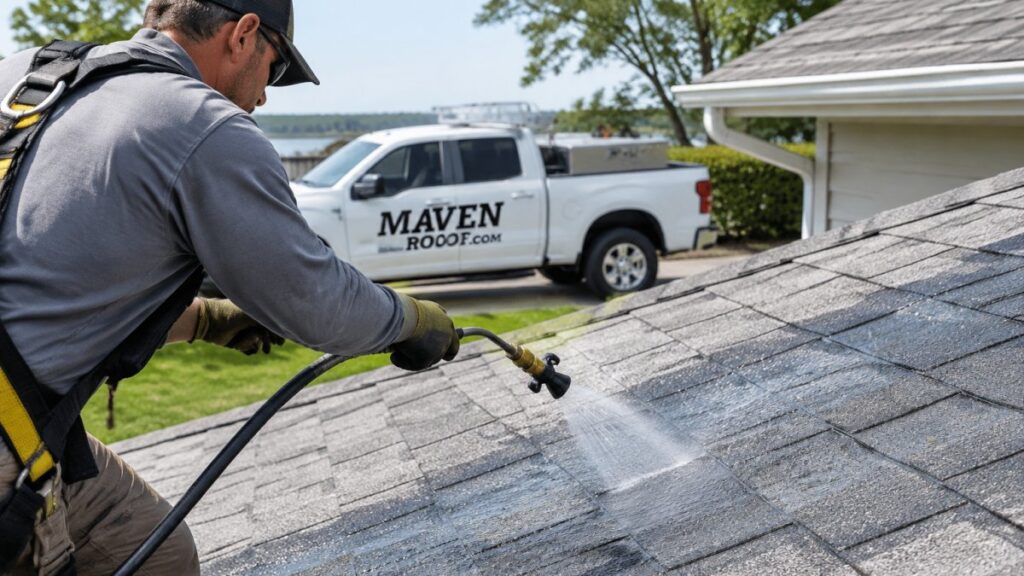
Last Updated: November 23, 2026
Quick Summary
Your 15-Year-Old Roof Ready for Replacement? Not Necessarily.
Roof rejuvenation can be a cost-effective alternative to replacement, helping restore shingle flexibility and extend the life of a qualifying roof. The key is condition, not age.
Here’s what homeowners should know:
- A 15-year-old asphalt roof may still have years of life remaining.
- Architectural shingles with intact granules are ideal candidates for rejuvenation.
- Older organic-mat shingles are generally less suitable for treatment.
- Rejuvenation cannot resolve leaks, storm damage, or deteriorated flashing.
- Qualifying rejuvenation costs can be credited toward a future Maven roof replacement within five years.
At Maven Roofing, we believe in maximizing the life of your roof and recommending replacement only when necessary.
Discover whether roof rejuvenation is the right investment for your home.
#MavenRoofing #RoofRejuvenation #RoofMaintenance #HomeownerTips #CoastalRoofing
Table of Contents
- Is roof rejuvenation worth the cost compared to a full replacement for a 15-year-old roof?
- How the Rejuvenation Process Works on Asphalt Shingles
- Roof Rejuvenation Pros and Cons for Coastal Homes
- Roof Rejuvenation Cost vs. Replacement: What Drives the Number
- Asphalt Shingle Roof Lifespan: What 15 Years Really Means
- Roof Inspection for a 15-Year-Old Roof: The Signs That Decide It
- Book a Free Roof Inspection Before You Choose
- Frequently Asked Questions
Is roof rejuvenation worth the cost compared to a full replacement for a 15-year-old roof?
For most 15-year-old asphalt roofs in decent shape, yes. Roof rejuvenation is a treatment that restores flexibility to aging shingles, and it usually costs far less than tearing the roof off and starting over. The catch is condition, not age.
The homeowners who get the most from rejuvenation are the ones whose shingles are drying out but still flat, intact, and firmly attached. If your roof fits that description, treatment can buy you years of service for a fraction of replacement cost. If shingles are curling, cracking, or missing, no treatment will fix that.
Below, we walk through how the process works, what drives the cost on each side, and the specific signs that decide it for your roof.
Asphalt Roofing Manufacturers Association guidance on asphalt shingle performance
How the Rejuvenation Process Works on Asphalt Shingles
Asphalt shingles are made with petroleum-based oils that keep them flexible. Sun and heat bake those oils out over time, and the shingle turns brittle. Rejuvenation treats the existing roof to restore some flexibility to the shingles and slow further breakdown.
Rejuvenation is a treatment applied to the existing roof, and the specifics of each step are confirmed during your free inspection.
What most guides miss is that this is a maintenance treatment, not a repair. It cannot reattach a loose shingle or seal a failed pipe boot. It works on the shingle mat itself. For a deeper look at how the treatment extends roof life, see extending roof life with rejuvenation.
Roof Rejuvenation Pros and Cons for Coastal Homes
Coastal Eastern NC is hard on roofs. Salt spray, humidity, and strong summer sun all speed up shingle aging, and the constant moisture feeds moss and algae growth. That combination is exactly where rejuvenation earns its keep, and exactly where it has limits.
The pros:
- Restores shingle flexibility before brittleness turns into cracking
- Removes the moss and algae that trap moisture against the shingle surface
- Qualifying treatment cost can be credited toward a future Maven replacement within five years
The cons:
- It will not fix storm damage, leaks, or worn-out flashing
- It does nothing for a roof already at the end of its life
- It needs to be repeated over time to keep protecting the shingles
Salt air and humidity mean coastal roofs age differently than inland ones. For the full picture on moisture and storm exposure here, read our guide to preventing water damage in coastal homes.
Roof Rejuvenation Cost vs. Replacement: What Drives the Number
Rejuvenation and replacement are priced on completely different scales, and the gap is large. Rejuvenation is a treatment applied to your existing roof. Replacement means tearing off the old shingles, inspecting and repairing the decking, installing new underlayment, and laying a full new shingle system. The honest comparison is how much life each option buys you relative to what you spend. Calculating the long-term value of these investments requires a broader perspective on the various alternatives to full roof replacement that might better suit your specific maintenance goals.
What pushes the replacement number up:
- Tear-off and disposal of the old roofing, including dumpster fees and landfill tipping charges
- Roof decking repairs if any boards are soft or rotted
- New underlayment and flashing throughout, including drip edge and valley metal
- Material choice, from standard asphalt to synthetic or metal
- Roof complexity, including valleys, dormers, and steep pitches that slow the crew
- Permits and inspection fees required by the local jurisdiction
Rejuvenation leaves the roof in place and treats it, so the tear-off work that drives replacement cost does not apply. Exact pricing depends on your roof’s details, and we can give you a quote after a free inspection.
Pricing depends on your roof’s size, pitch, and condition. A free inspection gives you a straight answer with no pressure.
Warranty implications. Ask any contractor to put in writing what the treatment does and does not cover before you sign.
Insurance implications. Keep your inspection report and treatment records, as maintenance documentation can help if you later file a claim.
Choosing a contractor. A reliable contractor inspects the shingles, flashing, and attic before recommending treatment, and will tell you when replacement is the honest answer.
For a deeper look at how the treatment extends roof life, see extending roof life with rejuvenation.
Asphalt Shingle Roof Lifespan: What 15 Years Really Means
Fifteen years is middle age for an asphalt shingle roof, not old age. Roofs can fail early because of poor installation, bad ventilation, or neglected maintenance rather than age alone.
That distinction matters for your decision. Roof age and roof condition are two very different things. A 15-year-old roof that has been ventilated properly and kept clear of moss may have plenty of life left. A newer roof installed over a poorly vented attic can dry out and fail years ahead of schedule.
If your shingles are still serviceable, rejuvenation can extend that remaining life. To see realistic expectations on how many years treatment can add, read how many years roof rejuvenation can add.
Roof Inspection for a 15-Year-Old Roof: The Signs That Decide It
An inspection is the only way to know which path your roof is on. We look at the shingles, the flashing, the pipe boots, and the attic, and we tell you plainly what we find.
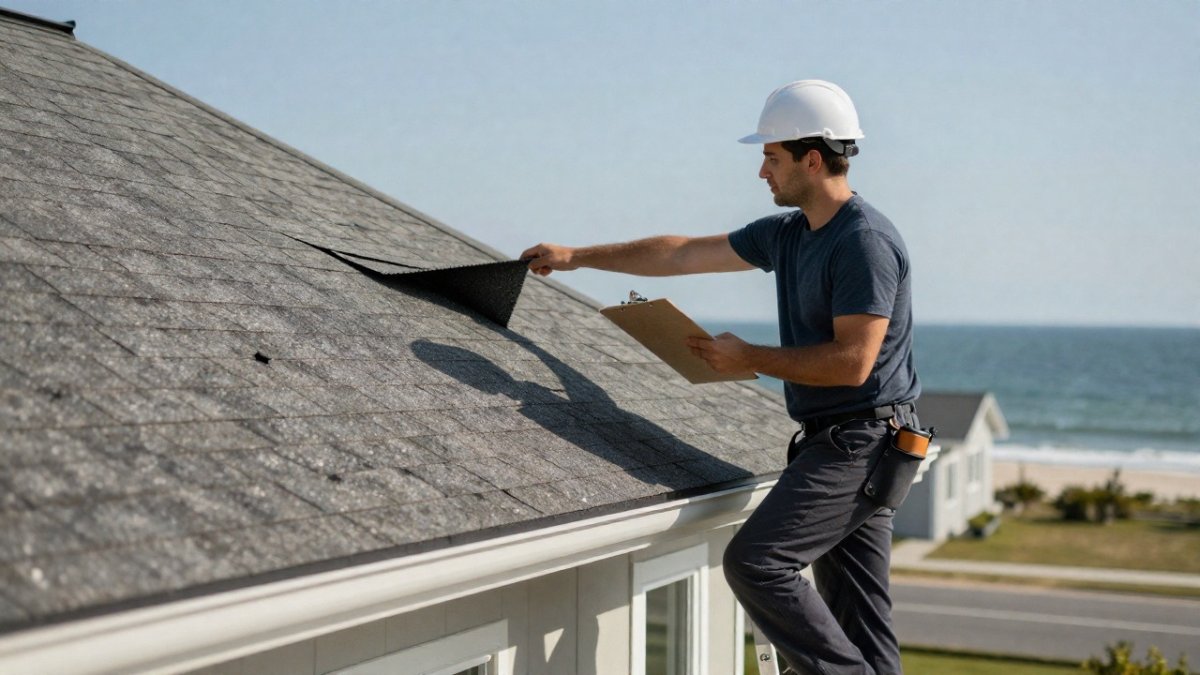
Here is what separates a good candidate from a bad one:
|
What we check |
Good sign for rejuvenation |
Sign you need replacement |
|---|---|---|
|
Shingle surface |
Flat, intact, some granule loss |
Curling, cracking, missing tabs |
|
Shingle flexibility |
Still bends without breaking |
Brittle, snaps when lifted |
|
Flashing and boots |
Sealed and sound |
Rusted, cracked, leaking |
|
Roof decking |
Firm underfoot |
Soft spots or sagging |
|
Attic |
Dry, ventilated |
Stains, moisture, daylight |
|
Shingle type |
Architectural or 3-tab in decent shape |
Organic-mat shingles or heavily worn 3-tab |
Material compatibility matters more than most guides admit. Not every asphalt shingle is a candidate. Architectural shingles with a fiberglass mat and a sound granule surface are the best fit. Three-tab shingles can qualify if they are still flat and intact, but they age faster and often fail before treatment pays off. Organic-mat shingles, common on older roofs, are generally too far gone by year 15 to benefit. If your roof is synthetic shingle or metal, rejuvenation is not the right tool at all; those systems need a different maintenance approach.
Coastal conditions change the math. In Hampstead and the surrounding barrier-island communities, salt spray, humidity, and strong summer sun speed up shingle aging. Salt air pulls moisture against the shingle surface, and the constant damp feeds moss and algae that trap water. That combination is exactly where rejuvenation earns its keep, it removes the growth and restores flexibility before brittleness turns into cracking. But it is also where the limits show: a roof that has already lost its granule surface to salt-driven erosion will not be saved by a spray treatment.
Post-treatment maintenance. Rejuvenation is not a one-and-done. To help the roof stay protected, keep it clear of moss and debris, keep gutters flowing, and make sure the attic ventilates. A follow-up inspection every couple of years can help catch problems early.
If most of your marks land in the left column, rejuvenation is worth serious consideration. If they land on the right, a replacement is the honest answer. Watch out: a contractor who quotes a full replacement without ever getting on the roof or into the attic is guessing. Our roof eligibility checklist walks you through the signs yourself before you call anyone.
Book a Free Roof Inspection Before You Choose
The decision between rejuvenation and replacement comes down to one thing: what your roof actually looks like right now. You do not have to guess, and you do not have to take anyone’s word for it.
At Maven Roofing, we take a repair-first approach. We would rather extend the life of the roof you have than sell you one you do not need yet. Our free inspection includes a full assessment of your shingles, flashing, and attic, plus a clear recommendation with the reasoning behind it. Qualifying repair work is backed by our $1,000 No Leak Guarantee, and qualifying rejuvenation cost can be credited toward a future replacement within five years.
If you are near Hampstead or anywhere in Eastern NC and wondering whether your 15-year-old roof has more life in it, book a free roof inspection and get a straight answer.
Your roof has been through fifteen coastal summers, and it deserves a real look before you decide anything. Maven Roofing is veteran-owned, a TAMKO Diamond Contractor, and we will tell you the truth about what your roof needs. Get started with Maven Roofing and find out whether rejuvenation can extend the life of the roof you already have.
Frequently Asked Questions
Is a 15-year-old asphalt shingle roof considered old?
It depends on the shingle and the conditions. Many architectural asphalt shingles carry manufacturer ratings of several decades, so 15 years sits within the expected lifespan range for many products. Coastal Eastern NC homes face salt spray, humidity, and hurricane winds that can shorten that timeline. Age alone does not decide anything: a 15-year-old roof with intact granules and sealed tabs may have years left, while one with widespread curling or granule loss is closer to the end.
Does roof rejuvenation really work on asphalt shingles?
Rejuvenation works best on asphalt shingles that are aging but still structurally sound. Rejuvenation can help restore some shingle flexibility and slow further granule loss on shingles that are aging but still sound. It cannot restore missing granules, seal curled tabs, or fix leaks, damaged flashing, or failing pipe boots. That is why a roof inspection comes first: it separates a roof that can benefit from treatment from one that needs targeted repairs or a full replacement.
What are the disadvantages and limitations of roof rejuvenation?
Rejuvenation does not add a new layer to the roof, so it will not fix existing leaks, damaged shingles, or worn underlayment. It is not a fit for roofs with widespread deterioration, significant storm damage, or shingles already at the end of their service life. Results vary with shingle condition and local climate, and the roof still needs routine maintenance afterward. Expect it to extend service life, not return the roof to new condition.
When should a 15-year-old roof be replaced instead of rejuvenated?
Replacement makes more sense when damage is widespread rather than isolated: recurring leaks, significant storm damage, failing roof decking, or shingles that are brittle and losing granules across large sections. If a roof inspection for a 15-year-old roof finds those conditions, rejuvenation would only delay the inevitable. Isolated problems like a leak, missing shingles, damaged flashing, or a failing pipe boot often call for a targeted repair instead. Maven Roofing’s repair-first approach starts with an inspection and a straight recommendation.
