

Maven Resource Blog
How to Tell If Your Roof Is Eligible for Rejuvenation
Learn how to tell if your roof is eligible for rejuvenation. Use our pass, caution, and fail checklist to check shingle condition before you call.
Book a free roof inspection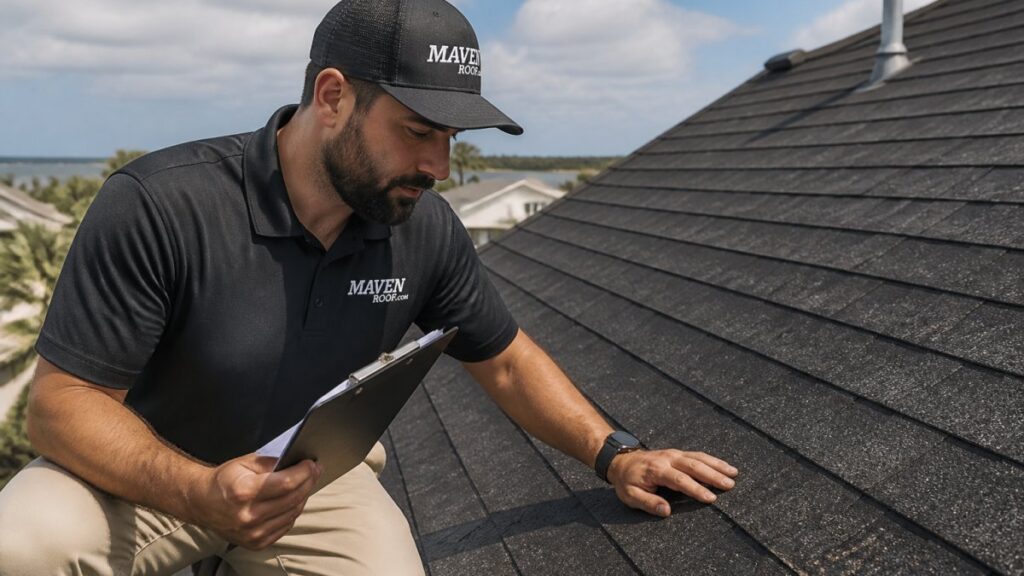
Table of Contents
- What Roof Rejuvenation Is and How the Treatment Works
- The Signs of Aging Shingles That Point to a Good Candidate
- How to Distinguish Normal Aging From Damage That Disqualifies a Roof
- Your Homeowner Eligibility Checklist: Pass, Caution, and Fail
- What a Roof Rejuvenation Inspection Includes
- Eligibility by Roofing Material and Treatment Compatibility
- Signs a Roof Needs Replacement Instead
- Roof Rejuvenation vs Replacement: Which Fits Your Situation
- Frequently Asked Questions
Last Updated: October 19, 2026
What Roof Rejuvenation Is and How the Treatment Works
Knowing how to tell if your roof is eligible for rejuvenation starts with the basics: it is a treatment that restores flexibility to aging asphalt shingles so they seal down and shed water again. At Maven Roofing, we use it on roofs that are drying out but still structurally sound.
An aging roof loses the oils that keep shingles pliable. Once they stiffen, they stop sealing and start letting wind and rain underneath.
What the Treatment Actually Does to Asphalt Shingles
The treatment soaks into the shingle mat and surface. It replaces some of what sun and weather have stripped away. Shingles that were stiff begin to lie flat again, and the adhesive bond at each shingle edge can re-form.
This is maintenance, not a rebuild. It buys years of service on a roof that is worn but sound. It will not fix a roof that is already failing.
The Signs of Aging Shingles That Point to a Good Candidate
Good candidates show even wear across the whole roof. The shingles look tired, not torn. There is no soft deck underfoot and no sign of water getting inside. The key word is even, rejuvenation is designed for a roof that is aging uniformly, not one with isolated failures.
Walk your yard and look up. You are checking for patterns, not single spots.
- Shingles that look dull or dried out
- Light granule loss, with grit in the gutters
- Shingles that feel stiff instead of pliable
- Even color fade across the whole roof
- No leaks, no soft spots, no sagging
Why Aging Shingles Stiffen: The Mechanism Behind the Signs
An asphalt shingle is a fiberglass mat coated in asphalt that has been softened with oils. Those oils are what let the shingle flex, seal at the edges, and shed water.
That is why the signs above cluster together. Dull color, grit in the gutters, and stiff shingles are all symptoms of the same process: oil loss and surface erosion. A roof that is drying out evenly still has a mat and deck worth saving.
Granule Loss, Dry Shingles, and Shingle Flexibility
Granule loss is normal with age, and a little shedding does not disqualify a roof. What matters is how much surface is bare. A roof with thin, patchy spots has less shingle left to work with. A common pattern is light, even grit in the gutters after a dry, windy week, that is ordinary.
Dry shingles and shingle flexibility go together. A shingle that cracks when you bend a corner is too far gone. A shingle that still flexes has something left to restore.
Check your gutters after a dry, windy week. A handful of grit is normal. A gutter packed with granules means the shingle surface is thinning fast, and that roof needs a professional look before any treatment.
What “Even Wear” Actually Looks Like
Even wear means the same condition repeats across every slope of the roof. If the front slope looks tired but the back slope is intact, that is not even wear, it is a localized problem, and it usually points to a ventilation, flashing, or storm issue on one side. Rejuvenation treats the whole roof, so a roof with one healthy slope and one failing slope is a poor candidate until the failing slope is repaired.
How to Distinguish Normal Aging From Damage That Disqualifies a Roof
Normal aging is even. Damage is localized. That is the whole difference, and it is the part most homeowners get wrong.
Aging shingles wear down together. Damage shows up in one area: a wind-lifted corner, a hail bruise, a leak stain on the ceiling. Those point to roof repair or replacement, not rejuvenation.
Cracked, Curling, Cupping, and Clawing Shingles
Watch for these four patterns. Each one tells you something different.
- Cracked shingles: splits in the mat. A sign the roof is past saving.
- Curling shingles: edges rolling up. Often wind or heat damage.
- Cupping: shingle centers lift while edges stay down. A sign of trapped moisture.
- Clawing: edges lift while centers stay down. Usually a ventilation problem.
Curling, cupping, and clawing across large areas mean the roofing system is failing. A professional assessment should come before any treatment decision.
Your Homeowner Eligibility Checklist: Pass, Caution, and Fail
Use this checklist to sort your roof into one of three groups before you call anyone. It will not replace an inspection, but it will tell you what to expect.
| Check | Pass | Caution | Fail |
|---|---|---|---|
| Roof age | Mid-life, even wear | Near end of lifespan | Past expected lifespan |
| Shingle flexibility | Still bends | Stiff but intact | Cracks when bent |
| Granule loss | Light | Moderate, even | Bare patches |
| Shingle shape | Flat | Slight lift | Curled, cupped, clawed |
| Roof deck | Solid | Minor soft spot | Sagging or spongy |
| Leaks | None | Old, repaired leak | Active leak |
| Moss and algae | Surface only | Light growth | Growth under shingles |
Three or more “Fail” marks means the roof is not a rejuvenation candidate. Mostly “Pass” marks mean it is worth an inspection.
Never treat a roof with an active leak. Rejuvenation seals the shingle surface, not the hole. The leak keeps running, the deck keeps rotting, and you have paid for a treatment that hid the problem.
What a Roof Rejuvenation Inspection Includes
A roof rejuvenation inspection is a hands-on check of shingle condition, deck soundness, and roof age to confirm the roof can take the treatment. At Maven Roofing, our free roof inspection covers the whole roofing system, not just the top layer.
Book Your Roof Inspection Online →
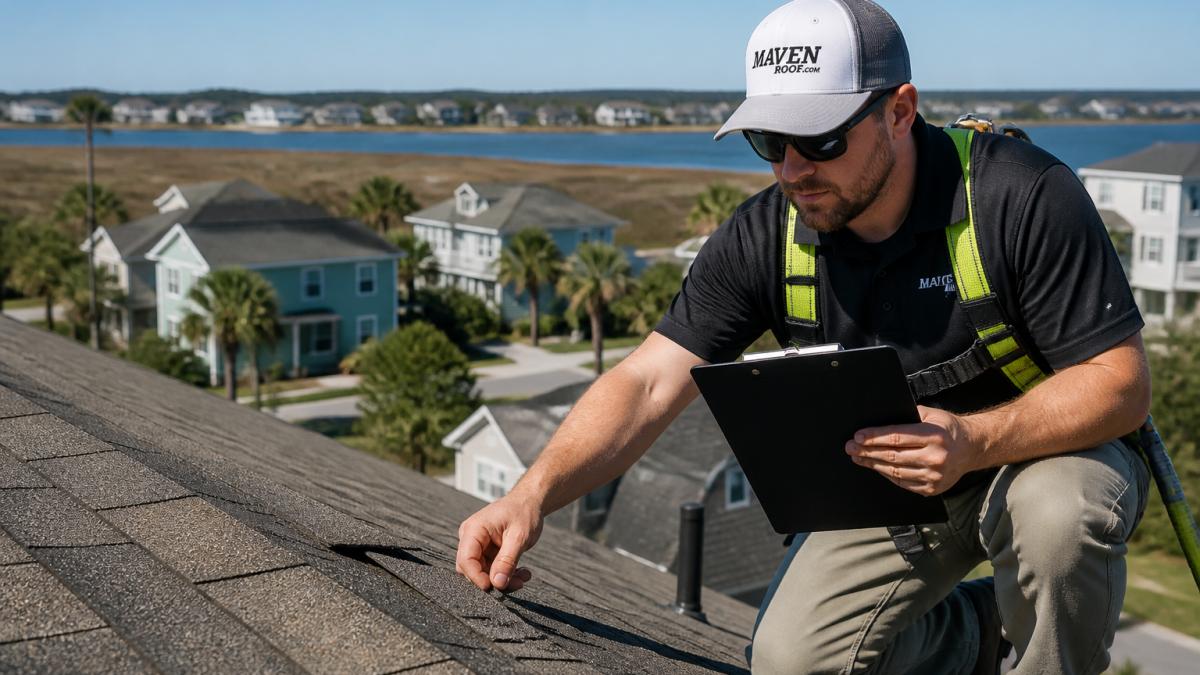
Expect an inspector to check shingle flexibility, granule loss, and seal condition. They will look at flashing, vents, and valleys. They will check the attic for stains and the deck for soft spots.
Safety First: Why You Should Not Walk the Roof Yourself
Do not walk your roof to run these checks. Asphalt shingles get slick, and an aging roof is exactly the one most likely to give way. A fall from roof height is a serious injury.
You can do plenty from the ground with binoculars. Check the gutters, look for staining, and watch the shingle edges. Leave the walking to someone with fall protection and insurance.
Eligibility by Roofing Material and Treatment Compatibility
Not every roofing material takes rejuvenation. Compatibility depends on what the shingles are made of, how they have worn, and what the product manufacturer says about that specific material.
- Asphalt and GAF shingles: the main candidate. Rejuvenation is designed for asphalt-based shingles, and best results come on mid-life roofs with even wear. The treatment works because it can soak into the asphalt and restore some flexibility to the mat.
- F-Wave synthetic shingles: check with the manufacturer before treatment. Synthetic products are engineered differently from asphalt, have their own care rules, and may have warranty language that addresses aftermarket treatments. Do not assume compatibility just because the shingle looks similar from the ground.
- Standing-seam metal: not a rejuvenation candidate. Metal does not absorb a shingle treatment; it needs cleaning and coating instead. Applying a shingle product to metal does nothing useful and can trap moisture or debris.
- Flat roofing systems: not a rejuvenation candidate. Flat roofs are built as membranes, not shingle fields, and they need coating or repair rather than shingle treatment.
If you are unsure what is on your roof, the inspection will tell you. Material matters more than age here, a newer roof of the wrong material is a worse candidate than an older asphalt roof in good condition.
Why Compatibility Is a Manufacturer Question, Not a Sales Question
Rejuvenation products carry instructions and limitations set by the manufacturer, and those instructions are what a reputable contractor follows. Before any treatment, ask three questions: What material is on my roof? Does the product’s label or technical data allow it on that material?
That last question matters. Some shingle warranties address the use of coatings or treatments, and the answer can affect coverage.
Eligibility is material-specific, not universal. Asphalt shingles are the designed use case; synthetic, metal, and flat systems each have their own rules. Confirm the material and the manufacturer’s instructions before treating anything.
How We Confirm Material and Compatibility During an Inspection
A free roof inspection is where this gets settled. We identify the shingle type, check the condition of the mat and seal strips, and look at whether prior repairs or mixed materials are present. If the roof is asphalt and sound, treatment may fit. If it is synthetic, metal, or flat, we tell you what the right path is for that system instead. If you are not sure what you have, book a free inspection and we will identify it before recommending anything.
Signs a Roof Needs Replacement Instead
Some roofs are past treatment, and pretending otherwise wastes money. Replacement is the honest answer when the damage is structural.
Watch for these signals:
- Shingles curling, cupping, or clawing across the whole roof
- Bare spots where granules are gone
- Sagging along the roofline
- Active leaks or ceiling stains
- Storm or hail damage across large areas
- A roof near the end of its expected service life
If you see two or more of these, ask about residential roofing and roof replacement rather than treatment. A repair or replacement protects the home. A treatment on a failing roof does not.
Roof Rejuvenation vs Replacement: Which Fits Your Situation
Rejuvenation fits a sound roof with even aging. Replacement fits a roof with structural damage or widespread failure. The choice comes down to roof condition, not preference.
| Factor | Rejuvenation | Replacement |
|---|---|---|
| Best for | Mid-life, evenly worn roofs | Failed or storm-damaged roofs |
| Fixes leaks | No | Yes |
| Fixes structural damage | No | Yes |
| Disruption | Low | High |
| Service added | Extends remaining life | Full new lifespan |
Rejuvenation lifespan depends on the roof’s condition at treatment and how well it is maintained afterward. It extends service life; it does not restart the clock.
Your roof has been through years of sun, salt air, and storm seasons. Book your free roof inspection online and get a straight answer on whether roof rejuvenation fits your home.
Frequently Asked Questions
How can I tell if my roof is a good candidate for rejuvenation?
Start with the shingles themselves. A good candidate usually has asphalt shingles that are still flat-lying and sealed, with granule loss but no cracking, curling, or missing pieces. The roof deck should feel structurally sound and there should be no active leaks or water damage inside the attic. Age matters too: a roof in the later part of its service life with surface weathering is a more typical candidate than one that is already failing. A roof rejuvenation inspection from a professional is the only way to confirm treatment eligibility before you commit.
Can a roof with leaks be rejuvenated?
No. Active roof leaks and water damage point to a problem that a surface treatment cannot fix. Rejuvenation is designed to address dry, aging shingles, not to stop water intrusion or repair a compromised roof deck. If you have staining on ceilings, damp attic insulation, or visible water damage, the roof needs roof repair or possibly replacement first. A professional assessment will identify whether the leak is isolated and repairable or whether it signals broader roof deterioration that rules out treatment.
Does roof rejuvenation work on curled or brittle shingles?
Curling, cupping, clawing, and brittle shingles are signs of advanced deterioration, and they generally make a roof a poor candidate for rejuvenation. Once shingles lose flexibility and their edges lift, the adhesive bond and shingle seal are already compromised, and a treatment cannot restore that. Cracked shingles and lifting edges also let water reach the roof deck. If you see these signs, ask for a roof rejuvenation inspection so a professional can tell you whether repair or replacement is the better path.
When is roof replacement a better choice than rejuvenation?
Replacement makes more sense when the roof shows signs a roof needs replacement: sagging, widespread cracked or missing shingles, active leaks, or storm damage that has compromised the roofing system. Rejuvenation is a maintenance treatment for roofs that are aging but still structurally sound. Comparing roof rejuvenation vs replacement comes down to remaining service life and condition. A free roof inspection gives you a clear recommendation, and if replacement is the right call, we explain why rather than pushing a treatment that will not hold up.