

Maven Resource Blog
Does Roof Rejuvenation Void Shingle Manufacturer Warranties?
Roof rejuvenation can affect your shingle warranty. Learn how GAF warranty requirements and claim decisions work before you treat your roof.
Book a free roof inspection
Last Updated: October 29, 2026
Quick Summary
Roof rejuvenation does not automatically void a shingle warranty, but how the product is applied can. Manufacturers generally treat penetrating oils and surface coatings as modifications, so the deciding factor is whether the treatment caused or contributed to the failure being claimed.
- Maintenance like debris removal and algae cleaning is expected upkeep that can help support a claim.
- A penetrating oil, soy-based formula, or surface coating applied to shingles is the classic modification example.
- Warranty administrators ask whether the treatment caused or contributed to the failure being claimed.
- Keep the product name, application date, and contractor records to separate a covered defect from an argued exclusion.
- Treating a roof that is already curled, cracked, or blistered gives a manufacturer an easy causation argument.
Table of Contents
- Does Roof Rejuvenation Void Shingle Manufacturer Warranties?
- The Legal Line Between Maintenance and Modification
- GAF Shingle Warranty Requirements and What They Actually Say
- Signs Your Roof Needs Rejuvenation (and When It Does Not)
- How Roof Rejuvenation Products Work on Asphalt Shingles
- Professional Roof Inspection Benefits Before Any Treatment
- The Burden of Proof in a Warranty Claim
- Book a Free Roof Inspection Before You Treat Your Shingles
- Frequently Asked Questions
Does Roof Rejuvenation Void Shingle Manufacturer Warranties?
The short answer most roofing manufacturers give is that roof rejuvenation does not automatically void a shingle warranty, but how the product is applied can. For Eastern North Carolina homeowners, the deciding factor is usually not the product itself. It is whether the treatment counts as routine maintenance or as a modification of the roofing system. Below, we break down what GAF and other manufacturers actually require, where claims go wrong, and how to protect your coverage before anyone touches your shingles.
Roof rejuvenation is a treatment that applies a penetrating or surface product to aging asphalt shingles to restore flexibility and slow granule loss. It is not a replacement, and it is not a repair. That distinction matters because a limited lifetime warranty is a contract with specific conditions, not a blanket promise.
The Legal Line Between Maintenance and Modification
Warranty disputes almost always come down to how a manufacturer classifies what was done to the roof. Most limited lifetime shingle warranties are built on two promises: the manufacturer covers manufacturing defects, and the homeowner agrees to perform reasonable maintenance and avoid alterations that affect material performance. The entire rejuvenation debate lives in the space between those two promises.
Maintenance is work that preserves the roof in the condition it was manufactured and installed. Clearing debris, removing algae, keeping gutters flowing, replacing a lifted shingle, and addressing a small leak all sit on the maintenance side. Manufacturers generally expect this kind of upkeep, and documenting it can help support a claim.
Modification is work that changes the shingle itself or introduces a substance the manufacturer did not evaluate. A penetrating oil, a soy-based formula, or a surface coating applied to the shingle field is the classic example. The shingle is no longer in the condition it left the factory, and that is the hook a manufacturer can use to argue an exclusion.
The practical test most warranty administrators apply is not ‘did the homeowner treat the roof?’ but ‘did the treatment cause or contribute to the failure being claimed?’ That is a causation question, and it is why the same treatment can be irrelevant to one claim and fatal to another.
Treating a roof that is already failing, curled, cracked, blistered, or missing shingles, does not restore warranty coverage. It gives a manufacturer an easy causation argument. Rejuvenation is for shingles with life left in them, not for roofs at the end of the line.
There is also a documentation dimension that most homeowners miss. A treatment applied by a contractor who leaves no product name, no application record, and no pre-treatment photos is nearly impossible to defend in a claim, because the homeowner cannot show what was applied or what the roof looked like beforehand. A treatment applied with a full paper trail is a different risk profile entirely, even if the product is the same.
If you are unsure which side of the line your roof is on, a free inspection can document the roof’s condition before any work begins. That record is what a manufacturer will ask for if a claim ever arises.
The distinction between maintenance and modification is what warranty administrators actually evaluate.
| Category | What it includes | Warranty effect |
|---|---|---|
| Maintenance | Clearing debris, removing algae, keeping gutters flowing, replacing a lifted shingle, addressing a small leak | Generally expected upkeep; documenting it can help support a claim |
| Modification | Penetrating oil, soy-based formula, or surface coating applied to the shingle field | Shingle no longer in factory condition; hook for an exclusion argument |
| Practical test | Did the treatment cause or contribute to the failure being claimed? | Same treatment can be irrelevant to one claim and fatal to another |
| Documentation | Product name, application record, pre-treatment photos | Treatment with no paper trail is nearly impossible to defend in a claim |
GAF Shingle Warranty Requirements and What They Actually Say
Shingle warranties generally center on proper installation, adequate ventilation, and documented maintenance. They typically cover manufacturing defects and exclude damage from neglect, improper installation, or alterations that affect material performance.
Warranties generally do not list every product on the market, so homeowners often need to show that a treatment was appropriate and did not cause the failure. If you want to see the shingle systems we install and service, our shingle roofing page covers the options we work with.
The safe path is documentation. Keep the product name, the application date, and the contractor’s records. If a claim ever arises, that paper trail is what separates a covered defect from an argued exclusion.
Signs Your Roof Needs Rejuvenation (and When It Does Not)
Rejuvenation makes sense when shingles are drying out but still intact. Look for granule loss in gutters, a chalky or dull surface, and shingles that feel brittle at the edges. Those are signs of thermal cycling and age, not structural failure. If your roof shows those early signals and no active leaks, a treatment may buy time.
Book Your Roof Inspection Online →
It does not make sense on a roof with soft spots, widespread cracking, or storm damage. Those need repair or replacement. Before you commit, it helps to know whether your specific roof qualifies, which is exactly what our guide on how to tell if your roof is eligible for rejuvenation walks through.
How Roof Rejuvenation Products Work on Asphalt Shingles
Rejuvenation products generally fall into two broad categories. Penetrating oils soak into the shingle and aim to restore flexibility lost to sun and heat. Surface coatings sit on top of the shingle. Neither approach reverses a shingle that has already failed.
The chemistry matters less than the condition of the roof. A rejuvenation product applied to healthy shingles may help slow brittleness, while applied to a roof with manufacturing defects it would not correct the underlying problem. If you are weighing whether the treatment pays off, our breakdown of whether roof rejuvenation is worth the cost lays out the trade-offs honestly.
Professional Roof Inspection Benefits Before Any Treatment
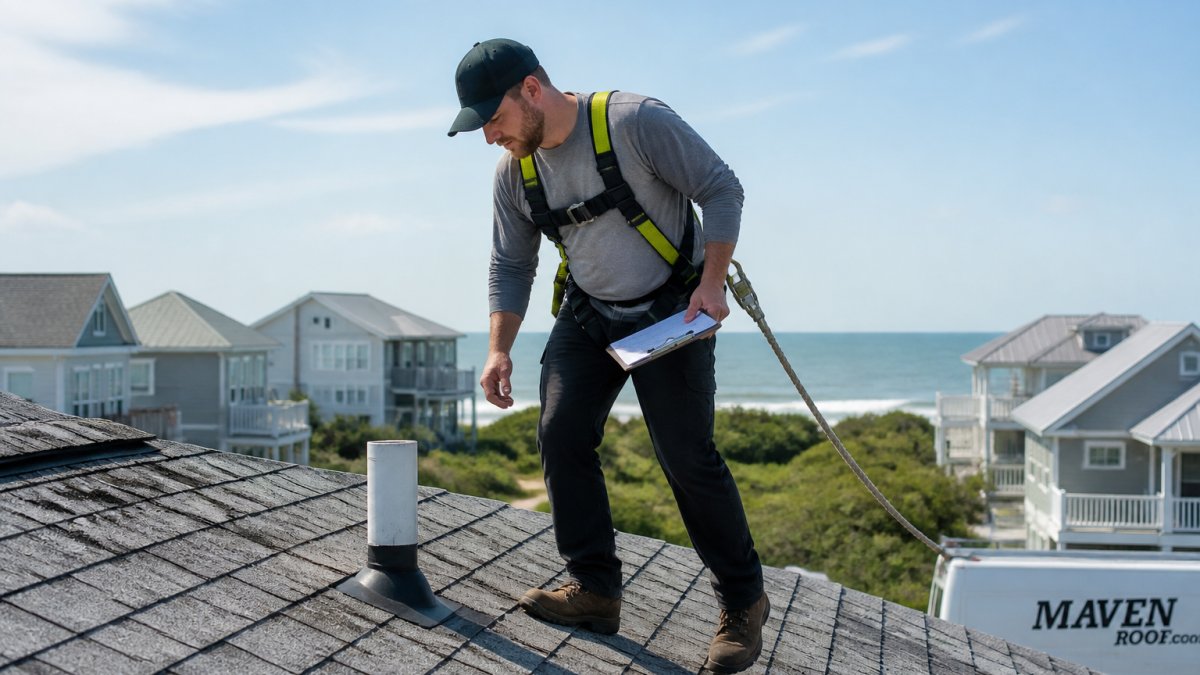
A free inspection is the step that protects your warranty. An inspector documents existing granule loss, checks ventilation, and photographs the roof before any product goes down. That record proves the roof’s condition at the start, which is exactly what a manufacturer will ask for if a claim ever comes up.
Ventilation requirements deserve special attention. Poor attic ventilation accelerates shingle aging and is a common warranty exclusion. An inspection catches that before you spend money on a treatment that cannot fix an airflow problem.
The Burden of Proof in a Warranty Claim
Most homeowners assume a warranty claim works like an insurance claim, where the company has to prove its denial is justified. Shingle warranties generally do not work that way, and understanding the difference is the single most useful thing you can learn before treating a roof. Shifting the burden of proof back onto the service provider requires homeowners to verify roof cleaning insurance before any chemical application begins.
A limited lifetime shingle warranty is a contract, not insurance. When a homeowner files a claim, the manufacturer typically sends an inspector or requires documentation, then decides whether the failure falls within the covered defects. In practice, the homeowner is asked to show three things: that the shingles were installed to the manufacturer’s written instructions, that the roof was ventilated to the manufacturer’s specification, and that the roof was maintained and not altered in a way that caused the failure.
That asymmetry is why the paper trail matters more than the product label. A claim file that includes the installation records, the ventilation data, pre-treatment photos, the product name and application date, and a maintenance history is a file the homeowner can defend. A claim file with none of that is a file where the manufacturer’s inspector writes the narrative.
The burden of proof in a shingle warranty claim sits mostly with the homeowner. Documentation is not paperwork for its own sake, it is the evidence that decides whether a claim is paid or argued.
There is a second layer most articles skip. Even when a manufacturer honors a claim, limited lifetime warranties are typically prorated and often cover materials rather than labor, and the remedy may be replacement shingles rather than a new roof. That is a separate conversation from whether a treatment voided coverage, but it shapes how much a warranty is actually worth protecting. If your roof is aging and you are unsure whether the wear you are seeing is normal or a defect, our article on the average lifespan of asphalt shingles helps you judge whether the roof has reached the end of its service life.
The practical takeaway is simple. Before any treatment goes on the roof, get the roof documented. A free inspection that records granule loss, ventilation, and existing damage gives you the evidence a claim would need, and tells you whether the roof is a candidate for rejuvenation at all.
Book a Free Roof Inspection Before You Treat Your Shingles
The honest challenge is this: no treatment should go on a roof until someone qualified has looked at it and documented what is there. At Maven Roofing, we are veteran-owned and we provide free roof inspections with no-pressure recommendations. We provide free roof inspections and no-pressure recommendations on whether rejuvenation, repair, or replacement may fit your roof. If you are ready to move forward, our guide on hiring certified roofers in Eastern NC explains what to check before you sign. Get started with Maven Roofing and book your free roof inspection online to protect your roof and your warranty.
Frequently Asked Questions
Does applying a rejuvenation treatment void my asphalt shingle warranty?
It depends on the product and the manufacturer’s written terms. Most shingle warranties cover manufacturing defects, not surface conditions, and they include exclusions for alterations or treatments the manufacturer has not approved. A penetrating oil or soy-based formula applied to shingles is a modification in the eyes of many manufacturers, while routine cleaning and debris removal usually counts as maintenance. Before any roof rejuvenation treatment, read the exact warranty document for your shingle line and ask the manufacturer in writing whether the product is approved for use.
What specific actions can void a GAF shingle warranty?
Shingle warranties commonly exclude damage from improper installation, inadequate ventilation, and treatments or coatings the manufacturer has not approved. Check your specific warranty document for its complete list of exclusions. The warranty covers manufacturing defects in the shingles themselves, so anything that changes the shingle surface or traps moisture can become a basis for denial. Keep your installation paperwork and maintenance records together.
How can I tell if my roof is a candidate for rejuvenation?
Look for granule loss in gutters, dull or chalky shingle surfaces, minor curling at the edges, and moss or algae streaks on north-facing slopes. A roof that is still shedding granules heavily, feels brittle, or has soft spots is past the point where a surface treatment helps. Age matters too: a shingle near the end of its service life will not regain flexibility from a penetrating oil. A professional roof inspection benefits you here because an inspector can check deck condition, flashing, and ventilation before anyone recommends a treatment.
Is roof rejuvenation legitimate, or is it just a coating?
Roof rejuvenation is a real category of product, but the term covers two different things. Penetrating oils and soy-based formulas are designed to soak into the shingle mat and restore flexibility, while surface coatings sit on top and can trap moisture. Third-party testing and manufacturer specifications vary widely by brand, and no treatment reverses granule loss or repairs damaged flashing. Treat rejuvenation as a maintenance step for a roof that is otherwise sound, not as a substitute for repair or replacement.
