

Maven Resource Blog
7 Roof Replacement Cost Breakdown 2026 Line Items
A roof replacement cost breakdown for 2026 shows exactly where your money goes, line by line. Compare quotes and book a free inspection with Maven Roofing.
Book a free roof inspection
Last Updated: October 25, 2026
Quick Summary
A roof replacement cost breakdown in 2026 should itemize seven line items: tear-off and disposal, roof decking, underlayment, materials, flashing, labor, and permits plus contingency. Asking for this breakdown in writing lets you compare bids by scope instead of a single lump sum that hides decking repairs and contingency.
- One roofing square equals 100 square feet of sloped roof surface, and materials are priced by the square.
- Ask your contractor what waste factor is built into the bid before you sign anything.
- A fair bid names contingency openly for hidden damage rather than burying it in the total.
- The lowest bid often wins by leaving out decking repairs or contingency, then adds them mid-project.
- A typical replacement runs from inspection through tear-off, decking repair, installation, and a final walkthrough.
Table of Contents
- Why a Roof Replacement Cost Breakdown Beats a Single Number
- The 7 Line Items in Every Roof Replacement Estimate
- How Roofers Measure Your Roof to Build the Estimate
- Roof Replacement Cost Factors That Move the Total Most
- Comparing Quotes: What a Fair Bid Should Show You
- When a Roof Replacement Insurance Claim Changes the Math
- Repair, Rejuvenation, or Replace: Making the Call
- The Roof Replacement Timeline From Inspection to Final Walkthrough
- Frequently Asked Questions
Why a Roof Replacement Cost Breakdown Beats a Single Number
A roof replacement cost breakdown in 2026 is the only honest way to price a new roof. If you want a real local price anchor before diving into line items, see how much a new roof costs in Wilmington NC.
That matters more on the coast. Salt air, wind-driven rain, and hurricane seasons shorten roof lifespan here, so the scope of work is rarely simple.
Below, we walk through the seven line items in every estimate, how roofers measure your roof, and how to compare bids fairly.
The 7 Line Items in Every Roof Replacement Estimate
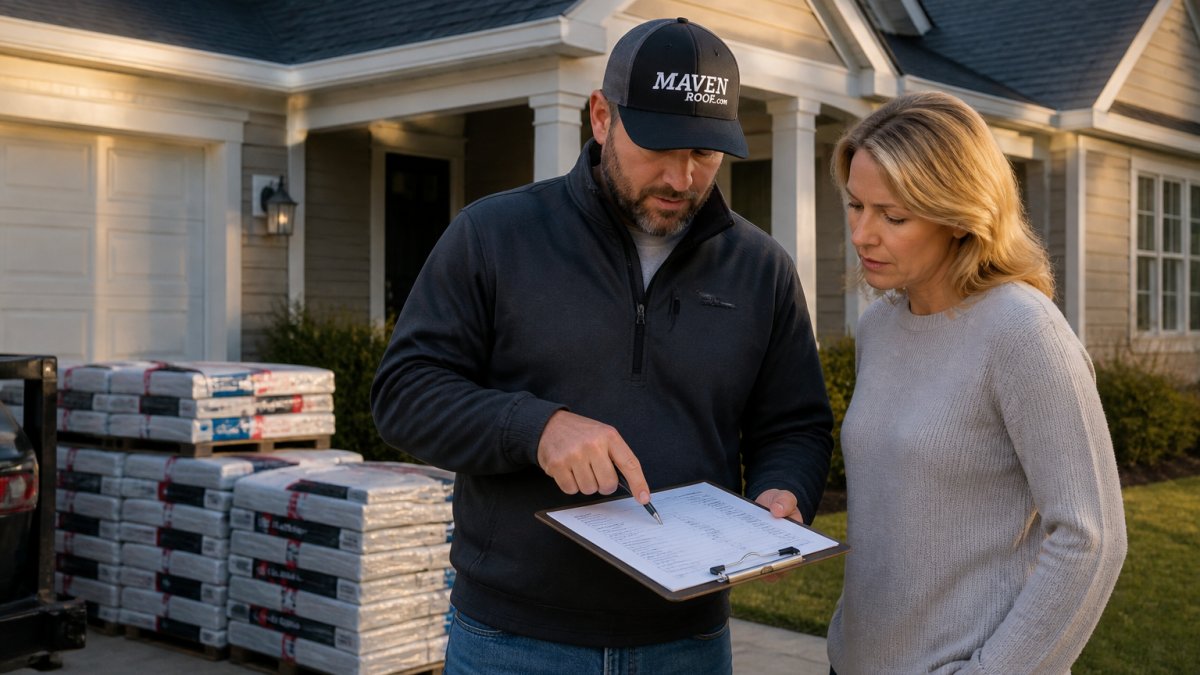
Every roof replacement estimate should itemize seven things: tear-off and disposal, roof decking, underlayment, materials, flashing, labor, and permits plus contingency. If a bid shows one total with no detail, ask for the breakdown in writing before you sign.
Tear-Off, Decking, and Disposal
Tear-off is the removal of your old roofing down to the deck. Disposal covers dumpsters and landfill fees. Decking covers any rotten or soft sheathing found underneath, and on older coastal homes this is where budgets move most.
Materials, Underlayment, and Flashing
Materials are the shingles or metal panels themselves. Underlayment is the water barrier beneath them. Flashing seals the edges, valleys, and penetrations where water gets in. Cheap flashing is the most common cause of a leak on a new roof.
Labor, Permits, and Contingency
Labor is installation time, which rises with pitch, height, and complexity. Permits are the local fees required before work starts. Contingency is a set-aside for hidden damage, and a fair bid names it openly rather than burying it.
| Line Item | What It Covers | Why It Moves the Total |
|---|---|---|
| Tear-off and disposal | Removal, dumpsters, fees | Layers and access |
| Decking | Sheathing repair or replacement | Hidden rot |
| Underlayment | Water barrier | Product grade |
| Materials | Shingles or metal panels | Product line |
| Flashing | Edges, valleys, penetrations | Detail count |
| Labor | Installation time | Pitch and height |
| Permits and contingency | Fees, hidden damage | Local rules, surprises |
How Roofers Measure Your Roof to Build the Estimate
Most cost guides stop at “roofers price by the square.” That leaves out the part that actually decides your number: how a measurement becomes a quantity on a line-item estimate. Here is the walkthrough we use, so you can follow the math on your own bid.
Step 1: Measure the roof area, not the floor plan
A roofer measures the sloped surface of the roof, not the footprint of the house. The two are different because pitch adds surface area. A low-slope roof is close to its footprint; a steep roof has noticeably more square footage than the rooms beneath it.
Step 2: Convert to squares
One roofing square equals 100 square feet of roof surface. A roof measuring 2,400 square feet of sloped area is 24 squares. Shingles, underlayment, and most accessories are ordered and priced by the square, which is why the square count is the backbone of the estimate.
Step 3: Add a waste factor
No installer uses every shingle in every bundle. Hip and ridge cuts, valleys, starter courses, and damaged pieces create waste. A common pattern is to add a waste allowance on top of the measured squares, with cut-up roofs carrying a higher allowance than simple gable roofs.
Step 4: Adjust for pitch and complexity
Pitch changes labor time and safety requirements, and complexity changes material counts. Valleys, dormers, chimneys, skylights, and multiple roof planes each need extra flashing and extra cutting. A roofer counts these details and prices them as line items rather than folding them into a vague total.
Step 5: Adjust for accessibility
Where the dumpster can sit, how far crews carry materials, fence lines, landscaping, and roof height all affect labor time. These are real cost drivers, and a fair estimate reflects them openly.
What the math looks like on a bid
| Measurement Input | How It Appears on the Estimate |
|---|---|
| Measured roof area in squares | Quantity for shingles, underlayment, and accessories |
| Waste factor | Extra material quantity above measured squares |
| Pitch | Labor line and safety requirements |
| Valleys, dormers, penetrations | Flashing and detail labor lines |
| Accessibility | Labor time and disposal logistics |
Ask for the square count and the waste factor in writing. If two bids disagree on total, the measurement or the waste allowance is usually why, and that is a fair question to raise before you sign.
We measure every roof before we estimate it. Guessing at square count is how bids go wrong, and it is the single easiest thing for a homeowner to check. If you want to see the numbers behind your roof, book a free inspection and we will walk you through the measurement.
Roof Replacement Cost Factors That Move the Total Most
Every cost guide lists size, pitch, and material. What most leave out is how each factor lands on a specific line of your estimate, and how much uncertainty to plan for. That is the part that helps you read a bid instead of just comparing totals.
Size and roof area
Size sets the quantity of nearly every material line: shingles or panels, underlayment, flashing, fasteners, and disposal volume. A larger roof also takes more labor hours. This is the factor most directly tied to the square count described above.
Pitch and roof complexity
Steep pitch slows installation and raises safety requirements, which shows up on the labor line. Complexity, meaning valleys, dormers, chimneys, and multiple planes, adds flashing and detail labor. Two roofs of identical square footage can carry very different labor lines for this reason alone.
Material choice
The material you choose sets the largest single share of the budget. Asphalt and GAF shingles, F-Wave synthetic shingles, standing-seam metal, and flat roofing systems each carry different material and installation profiles. The trade-off is not just upfront scope; it is service life and maintenance expectations over time.
Tear-off layers and decking condition
Every additional layer of old roofing means more removal work and more disposal volume. Decking is the bigger wildcard: soft or rotted sheathing is often hidden until tear-off begins. A bid that assumes perfect decking and prices no contingency is the bid most likely to grow mid-project.
Flashing and detail count
Flashing seals edges, valleys, and penetrations. The more details a roof has, the more flashing labor and material it needs. Cheap flashing is the most common cause of a leak on a new roof, so this is not a line to trim.
Book Your Roof Inspection Online →
Permits and local requirements
Permit responsibility and fees belong in the written scope. Confirm who pulls the permit and that the cost is named, not assumed.
Timing and scheduling
Demand affects scheduling and, in tight periods, material availability. A written start window protects you from a contractor who cannot commit to a sequence.
Contingency: the line most bids hide
Hidden damage is the norm on older roofs, not the exception. A fair estimate names a contingency allowance openly so you know what happens if decking or flashing surprises turn up after tear-off.
A low headline total often wins by leaving out decking repairs or contingency, then adding them mid-project. Compare scope line by line, not just the bottom number.
| Cost Factor | Where It Shows Up on the Estimate |
|---|---|
| Size and roof area | Material quantities and labor hours |
| Pitch and complexity | Labor line, flashing and detail labor |
| Material choice | Largest single material line |
| Tear-off layers | Removal labor and disposal volume |
| Decking condition | Repair line, contingency |
| Flashing and details | Flashing material and labor |
| Permits | Named permit line |
| Timing | Schedule and availability |
| Contingency | Openly stated allowance for hidden damage |
We inspect before we estimate for exactly this reason. Guessing at decking condition is how bids go wrong, and a written contingency is how a fair bid protects you.
Comparing Quotes: What a Fair Bid Should Show You
Watch out: the lowest bid often wins by leaving out decking repairs or contingency, then adds them mid-project. Compare scope, not just totals.
Our guide to comparing roofing estimates walks through the exact questions to ask each contractor, line by line, before you sign anything.
Two more checks matter. Confirm the contractor carries insurance and will put the scope in writing. And confirm what happens if hidden damage turns up after tear-off begins.
When a Roof Replacement Insurance Claim Changes the Math
Storm damage can shift part of the cost to your insurer, which changes how you read every bid.
Documentation decides these claims. We photograph damage, record measurements, and coordinate with your adjuster so the scope on paper matches the roof on the house.
If you are unsure what your policy covers, our overview of whether homeowners insurance covers roof repairs or replacement explains the common coverage questions before you file.
Repair, Rejuvenation, or Replace: Making the Call
Repair fixes a local problem. Rejuvenation treats the surface to remove moss and algae and extend the life of shingles that are still sound.
Here is how we sort it:
- Repair: isolated leaks, missing shingles, damaged flashing
- Rejuvenation: moss, algae, and staining on otherwise healthy shingles
- Replacement: age, widespread granule loss, repeated leaks, storm damage
The decision comes down to remaining lifespan. Our breakdown of roof rejuvenation versus roof replacement covers how to weigh the two when your shingles are borderline.
The Roof Replacement Timeline From Inspection to Final Walkthrough
What to expect at each stage:
- Inspection and estimate: we measure, check the deck where visible, and give you a line-item scope
- Material ordering: your chosen shingles or metal panels are ordered
- Tear-off and decking: old roofing comes off, soft sheathing is replaced
- Installation: underlayment, flashing, and materials go on
- Final walkthrough: we review the work with you and clean the site
Financing questions usually come up at the end, once the total is clear. If you want to spread the cost, our page on roof replacement financing options explains what to ask about before you commit.
Watch out: a contractor who cannot give you a written sequence and a start window is a scheduling risk. Get the timeline in writing.
A roof is one of the largest purchases you will make on your home, and you deserve to see every line before you commit.
Frequently Asked Questions
How do I estimate the cost of replacing my roof?
Start with your roof’s measured area in squares (100 square feet each), then have a contractor itemize tear-off, disposal, decking repairs, underlayment, flashing, materials, labor, and permits. Ask for the estimate in writing with each line priced separately. A free inspection gives you real measurements and a condition report, so the estimate reflects your actual roof instead of a rough guess based on square footage alone.
What factors affect a roof replacement estimate the most?
Roof size and pitch, the number of layers to tear off, deck condition, material choice, and how many penetrations and valleys the roof has drive most of the total. Accessibility matters too: a steep coastal home with limited driveway access takes more labor and staging than a simple ranch. Local code requirements and permit fees add to the bottom line. Ask your contractor which of these factors applies to your roof before you compare bids.
What should a roof replacement estimate include?
A fair estimate lists tear-off and disposal, decking repair allowances, underlayment, flashing, ridge and starter materials, the shingle or metal system specified by brand and product line, labor, permits, and a contingency line for hidden damage. It should also state the warranty terms and the payment schedule. If a bid is one lump sum with no breakdown, ask for the itemized version before signing anything.
Can storm damage affect an insurance claim for my roof?
Yes. Wind and hail damage that a licensed contractor documents with photos, measurements, and a written scope can support a claim. Your contractor should record the damage, meet the adjuster on site, and compare the adjuster’s scope against the actual work needed. Coverage and payout depend on your policy and the adjuster’s findings, so keep your own documentation and review the settlement carefully before work begins.
