

Maven Resource Blog
Signs Your Roof Needs Replacement: 2026 Guide
Spot the signs your roof needs replacement before leaks start. Learn repair vs replace, costs, and get a free inspection checklist. Book your free roof.
Book a free roof inspection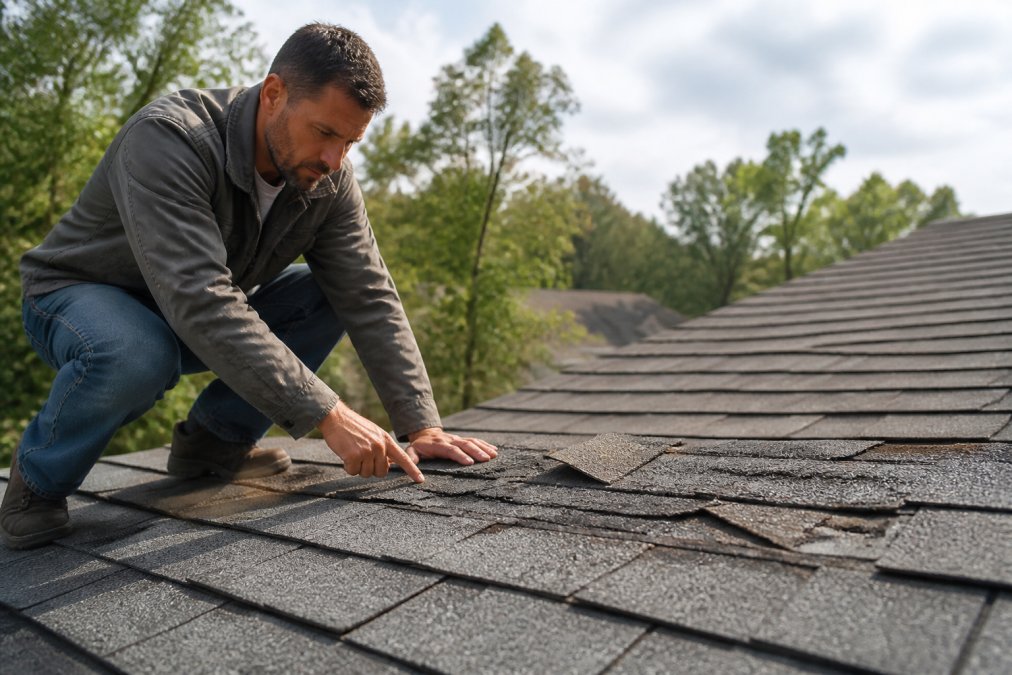
Table of Contents
- 8 Warning Signs Your Roof Needs Replacement
- Your Roof Inspection Checklist: What to Look For
- Repair vs Replace Roof: How to Decide
- What the Average Roof Replacement Cost Covers
- Coastal Wear, Insurance, and Safety: What Most Guides Skip
- When to Call a Roofing Contractor
- Frequently Asked Questions
Last Updated: September 23, 2026
8 Warning Signs Your Roof Needs Replacement
Knowing the signs your roof needs replacement is the difference between a planned project and an emergency. At Maven Roofing, we’ve walked Eastern North Carolina properties since 2015, and the pattern is consistent: coastal roofs fail from the outside in, and homeowners usually spot the damage months after it starts. Below, we’ll show you exactly what to look for from the ground, what each sign actually means, and when a repair will hold up versus when replacement is the honest answer.
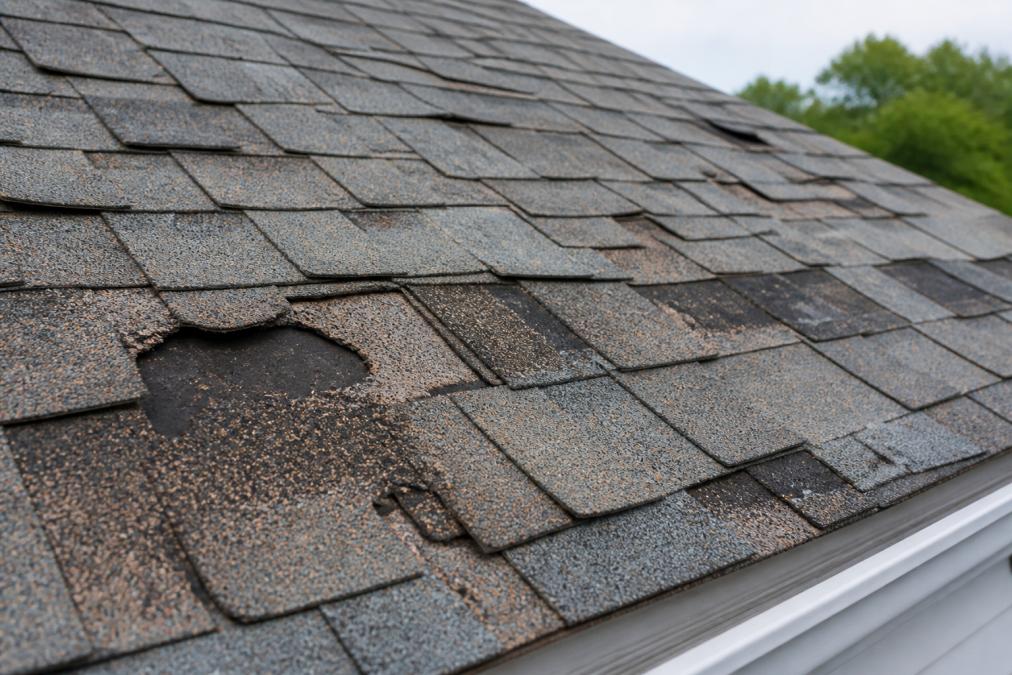
Curling, Cupping, or Buckling Shingles
Shingles that curl at the edges, cup in the middle, or ripple in waves have lost their seal and flexibility. On coastal roofs, salt spray and thermal shock accelerate this process, and curling shingles let wind-driven rain straight under the layers above them. A common mistake is patching individual curled shingles and hoping the rest hold. If more than a small cluster shows it, the shingle field is aging out together.
Missing Shingles, Granule Loss, and Gutter Debris
Granules in your gutters are the roof shedding its own sun protection. Some granule loss is normal on an aging roof, but heavy accumulation after a storm, combined with missing shingles, means the asphalt underneath is exposed and drying out. Check your downspouts after heavy rain: if you’re sweeping up grit, that’s the surface of your roof washing away.
Daylight, Sagging, and Attic Water Stains
Visible daylight through roof boards, a sagging roofline, or brown water stains on attic rafters are interior confirmation that the deck is compromised. Daylight means an opening. Sagging means moisture has reached the structural layer. Water stains mean it’s been happening for a while. These three together almost always point to replacement rather than repair.
Your Roof Inspection Checklist: What to Look For
A roof inspection checklist is a ground-level and attic-level assessment you can do safely in about 30 minutes. This is the same sequence our inspectors run, minus the ladder work. Grab binoculars, a flashlight, and your phone camera.
- Scan the roofline for curling, cupping, or buckling shingles
- Look for missing shingles and exposed nail heads
- Check gutters and downspouts for granule buildup
- Inspect flashing around chimneys, vents, and roof valleys
- Look for moss, mold, or algae streaks on north-facing slopes
- Check the attic for daylight, water stains, and soft decking
- Note any sagging in the roofline from the street
Never walk a wet, steep, or storm-damaged roof. Fall injuries from roof inspections are common, and a shingle that looks solid from the ground can crumble underfoot. Stay on the ground and in the attic, and let a professional handle the surface.
Repair vs Replace Roof: How to Decide
Repair vs replace roof decisions come down to four questions: how old is the roof, how widespread is the damage, is the deck or structure compromised, and what does the repair actually buy you in added service life? Most guides stop at the first two. The last two are where the money is.
Start With Age and Expected Service Life
Asphalt shingles are commonly rated for 20 to 30 years, architectural shingles for 25 to 30, and metal or tile systems for 40 to 70. Those are manufacturer ratings under ideal conditions, real-world service life on a hot, humid, storm-exposed roof often lands at the low end. A useful rule of thumb: if the roof is past 75 percent of its rated life and showing widespread surface failure, a repair is buying months, not years.
The Repair-to-Replace Ratio
A common pattern contractors use: if a single repair costs more than about 25 to 30 percent of a full replacement, and the roof is already past the midpoint of its service life, replacement usually wins on total cost of ownership. The reason is compounding, every repair leaves old shingle field around it, and the next storm finds the next weak seam.
The Sunk-Cost Trap
Homeowners often keep repairing because they’ve already spent money on the roof. That’s the sunk-cost trap. The right question is forward-looking: from today, what will this roof cost me over the next five years if I repair, versus replace? If the repair number is more than half the replacement number, the repair is not a savings, it’s a delay.
Decision Table
| Situation | Recommended Path | Why |
|---|---|---|
| Isolated damage, roof under 15 years, deck sound | Repair | Underlayment and shingle field are still serviceable |
| Widespread curling, cupping, or granule loss | Replacement | The shingle field is failing as a system, not in spots |
| Daylight visible through roof boards | Replacement | Deck and structure are exposed; repair cannot seal it |
| Active attic leaks with sagging or soft decking | Replacement | Moisture has reached framing; rot spreads |
| Moss or algae on an otherwise sound roof | Rejuvenation or cleaning | Surface growth, not structural failure |
| One repair quoted above a certain percentage of replacement cost, roof past mid-life | Replacement | Repair is buying time, not adding value |
| Storm damage isolated to one slope, roof under 10 years | Repair (often insurance) | Sudden damage, not wear, see insurance section |
What Repair Actually Buys You
Repair wins when damage is isolated, the roof is young, and the deck is dry. Replacement wins when the shingle field is failing as a system, the deck is compromised, or the repair cost approaches a third of replacement on a roof past mid-life. Rejuvenation is the third path for surface growth on a structurally sound roof.
That last row matters more than most guides admit. Moss accumulation and algae growth on a structurally sound roof are a cleaning and treatment problem, not a replacement problem. Maven Roofing offers roof rejuvenation services for exactly this situation: removing dirt, moss, and algae to extend roof lifespan without tearing off a serviceable roof. If a contractor jumps straight to replacement on a 12-year-old roof with algae streaks, get a second opinion, and ask for the age, extent, and deck assessment in writing.
What the Average Roof Replacement Cost Covers
Roof replacement pricing varies too widely by pitch, size, material, and tear-off complexity to quote responsibly from a webpage, but you can still walk into a bid comparison knowing what drives the number. Here’s the framework.
Book Your Free Roof Inspection Online →
What Actually Drives the Price
- Square footage. Roofers price by the “square”, 100 square feet of roof surface. A steep, cut-up roof has more squares than its footprint suggests.
- Pitch and stories. Walkable roofs cost less to work on than steep ones. Two-story and three-story homes add labor and safety setup.
- Material. Three-tab asphalt is the budget tier; architectural (dimensional) shingles are the mid tier and the most common choice; metal, tile, and synthetic slate sit at the top. Material choice alone can swing a quote significantly.
- Tear-off layers. One layer of old shingles is standard. Two or three layers means more disposal weight and more labor.
- Deck condition. Rotted sheathing discovered during tear-off is a change order. Ask how the contractor prices deck replacement per sheet, in writing, before work starts.
- Region and season. Coastal and storm-prone markets carry higher labor and insurance costs. Peak season quotes run higher than off-season.
What Any Quote Should Include, Line by Line
- Tear-off and disposal of existing roofing materials, including dumpster and landfill fees
- Roof deck inspection and repair of any rotted sheathing, priced per sheet
- Underlayment, the water-resistant layer beneath the shingles, ask for the product name and weight
- Roofing materials, including shingles, drip edge, starter strip, ridge cap, and flashing
- Roof valleys and penetrations, where most leaks start, ice-and-water shield in valleys is a common upgrade
- Attic ventilation corrections if the current setup is inadequate
- Labor, permits, and cleanup, including magnetic sweep for nails
- Warranty terms, split between manufacturer material warranty and contractor workmanship warranty, get both in writing
How to Compare Two Bids
A lower total is not automatically the better bid. Compare three things side by side: the shingle product and its warranty tier, the underlayment and flashing spec, and the workmanship warranty length. Ask each contractor to quote the same spec, then compare.
Red Flags in a Quote
- A single lump-sum number with no line items
- No mention of deck repair pricing
- No written workmanship warranty
- A quote given without anyone inspecting the attic or the deck
- Pressure to sign the same day, especially after a storm
Ask for the quote broken out by tear-off, deck repair per sheet, underlayment, materials, ventilation, labor, and permits. A contractor who won’t itemize is either guessing or hiding margin, either way, you can’t compare the bid.
For current pricing on your specific roof, Maven Roofing’s free inspection request is the fastest way to get real numbers instead of estimates. Bring any competing quotes with you, we’ll walk the line items with you so you can see exactly where the numbers diverge.
Coastal Wear, Insurance, and Safety: What Most Guides Skip
Coastal wear doesn’t follow the same timeline as inland roofs. Salt spray corrodes flashing and fasteners, hurricane wind lifts shingle edges, and the humidity that feeds algae growth also softens decking over time. A roof that would last 25 years inland may show its first real problems a decade earlier on the coast.
Photograph your roof from the ground after every major storm, before you call anyone. Dated photos of missing shingles or lifted flashing are the single most useful thing you can hand an adjuster, and they cost you nothing.
When to Call a Roofing Contractor
Call a roofing contractor when you find any two signs from the checklist above, when your roof is past 20 years old, or when your insurer asks for a condition report. Those aren’t upsell triggers; they’re the points where a professional assessment changes what you spend.
Frequently Asked Questions
What are five signs that my roof needs to be replaced?
Watch for curling, cupping, or buckling shingles; missing or damaged shingles; granules collecting in gutters; visible daylight through roof boards; and water stains or leaks in the attic. Any one of these points to a roof past its prime. Two or more together usually mean a roof replacement is the smarter investment than repeated repairs.
What is the average lifespan of a roof in coastal climates?
Asphalt shingle roofs typically last 20 to 30 years inland, but coastal conditions shorten that range. Salt spray, high humidity, hurricane winds, and intense sun accelerate granule loss and algae growth. Many coastal roofs show replacement-level wear by year 15 to 20. Annual inspections help you catch decline early and extend roof lifespan where possible.
Should a 20-year-old roof be replaced?
Not automatically, but a 20-year-old roof deserves a professional inspection. If it has curling shingles, granule loss, or attic water stains, replacement is likely the better call. If it is structurally sound with only isolated damage, a targeted repair can add years. Age alone is a signal, not a verdict.
Can roof repairs extend the life of an aging roof?
Yes, when damage is isolated. Replacing a few shingles, resealing flashing, or repairing a small leak can buy several years. Repairs stop making sense when damage is widespread, when the deck is sagging, or when shingles fail across multiple slopes. At that point, repair vs replace roof math favors replacement.
What are the common signs of storm damage on a roof?
After a storm, check for missing or lifted shingles, dented or cracked flashing, granule piles in gutters, and new water stains on attic ceilings. Hail leaves bruise-like marks; wind tears shingle edges. Document everything with photos and dates. Storm damage often qualifies for an insurance claim, and a professional inspection gives you the evidence an adjuster needs.
How do I know if I need a full replacement or just a repair?
Three factors decide it: age, extent, and structure. A roof under 15 years old with damage confined to one area usually takes a repair. A roof past 20 years, or one with sagging, widespread granule loss, or leaks in multiple rooms, needs replacement. A free professional inspection gives you a straight answer instead of a guess.
Will my insurance cover a roof replacement?
Coverage depends on the cause. Sudden storm, hail, or wind damage is typically covered under homeowners policies. Damage from age, neglect, or gradual wear is not. Document new damage promptly, file the claim quickly, and get a professional inspection report. That documentation supports your claim and helps you keep coverage on an aging roof.