

Maven Resource Blog
Best Time of Year for Roof Repair: A 2026 Guide
Roof repair timing matters more than most homeowners realize. Learn the best season for repairs, how weather affects materials, and when to call.
Book a free roof inspection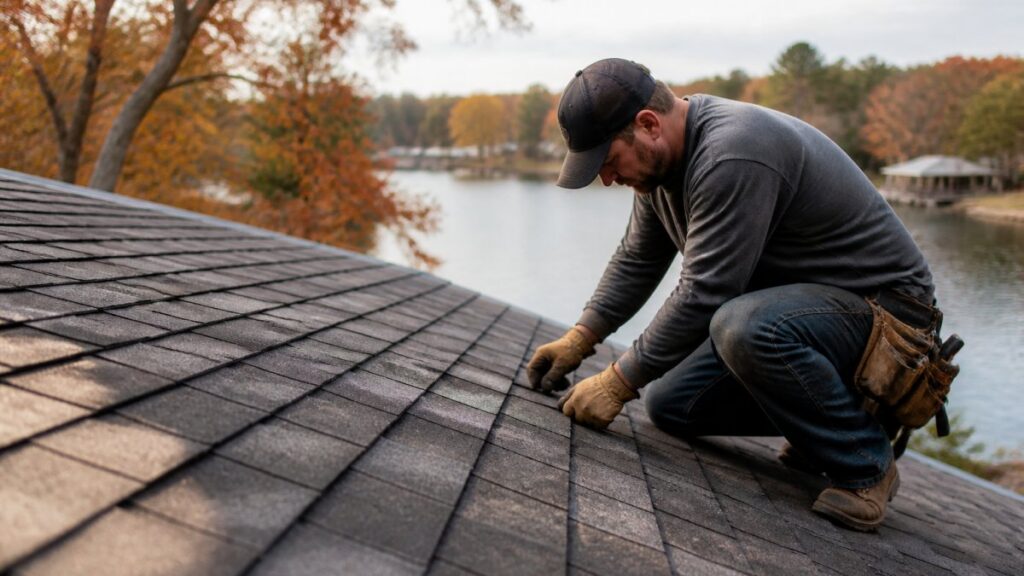
Table of Contents
- Why Roof Repair Timing Matters More Than You Think
- Fall: The Sweet Spot for Roof Repair Timing
- Spring Roof Repair: Benefits, Risks, and What to Watch For
- Summer Roof Repair: Heat, Storms, and Scheduling Challenges
- Winter Roof Repair: What Can and Cannot Wait
- Signs of Roof Damage You Should Never Ignore
- How to Remove Algae from Roof Shingles Without Causing Damage
- How Long Does Roof Repair Duration Typically Take?
- Frequently Asked Questions
Last Updated: September 30, 2026
Why Roof Repair Timing Matters More Than You Think
Ask most homeowners when to fix a damaged roof and you’ll hear “as soon as possible.” That advice is half right. Roof repair timing is really about matching the work to the weather, because the materials and sealants your roof depends on behave very differently at 45°F than they do at 95°F.
At Maven Roofing, we understand the unique challenges of coastal roofs. A repair done in the wrong conditions can fail within a single storm season, while a repair done in the right window can significantly extend your roof’s lifespan.
Below, we’ll break down what each season offers, when to wait, and when waiting becomes a mistake. First, though, you need to understand why temperature drives everything.
How Temperature and Moisture Affect Sealant Adhesion
Asphalt shingles rely on a heat-activated sealant strip to bond each course to the one below it. That bond is the roof’s first defense against wind uplift and moisture infiltration. When temperatures are too cold, the sealant stays stiff and won’t activate. When they’re too hot, shingles turn brittle and crack underfoot during installation.
Moisture compounds the problem. Damp roof decks trap water under new underlayment, which leads to rot and premature failure. The Asphalt Roofing Manufacturers Association technical guidance notes that shingle performance depends heavily on proper installation temperatures. In practice, this means the ideal installation window sits roughly between 45°F and 85°F, with dry conditions throughout.
Fall: The Sweet Spot for Roof Repair Timing
Fall is the best time of year for roof repair in most climates, and the reason is simple: mild temperatures and drier air let shingles seal properly while giving crews comfortable, safe working conditions. Daytime highs in the 60s and 70s keep asphalt pliable without making it fragile.
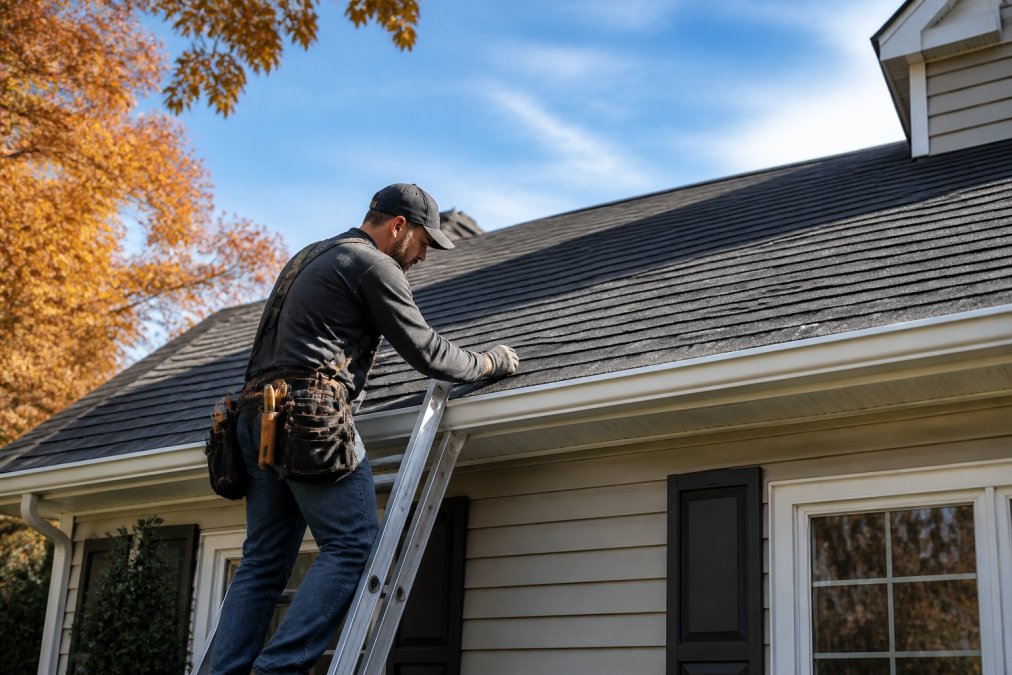
Why Mild Temperatures and Drier Air Help Shingles Seal
The curing process for shingle sealant needs warmth, not heat. In fall, ambient temperatures do most of the work without the thermal stress of midsummer. Lower humidity also means the roof deck stays dry, so underlayment and flashing adhere cleanly.
There’s a scheduling bonus too. Fall sits between the summer storm rush and the winter freeze, so contractor lead times are shorter and labor availability is better.
Ask your contractor to schedule repairs for mid-morning through early afternoon in fall. The deck has warmed slightly from overnight, sealant activates faster, and crews aren’t racing sunset.
Spring Roof Repair: Benefits, Risks, and What to Watch For
Spring is the second-best window for roof repair, and in many coastal areas it’s nearly as good as fall. Temperatures climb back into the working range, and longer daylight hours give crews more time on the roof each day.
Summer Roof Repair: Heat, Storms, and Scheduling Challenges
Summer looks like the obvious choice, and it’s the season most homeowners default to. It isn’t the best one. Extreme heat creates real problems for both materials and crews.
Thermal Shock and Shingle Brittleness in Extreme Heat
When surface temperatures climb past 140°F, asphalt shingles lose flexibility. Walking on them during a repair can crack tabs and dislodge granules, and the damage often isn’t visible until the next storm. Thermal shock, the stress from rapid heating and cooling, also weakens the bond between shingle layers over time.
Winter Roof Repair: What Can and Cannot Wait
Winter is the hardest season for roofing work, but it isn’t a total shutdown. Cold-weather repairs are possible with the right materials and methods, and some problems genuinely cannot wait until spring.
Emergency Repairs vs. Planned Replacements in Cold Weather
Emergency repairs, like patching an active leak or securing flashing after a storm, get done in winter because the alternative is water damage inside your home. Contractors use cold-rated sealants and temporary measures to get through until conditions improve. These stopgap solutions prevent immediate structural failure, but they remain secondary to the proactive strategies for maintaining rooftop condition that ensure long-term integrity throughout the changing seasons.
Book Your Free Roof Inspection Online →
Never let a contractor install standard asphalt shingles in freezing temperatures without cold-weather adhesive. The sealant won’t activate, and the first high wind can lift courses off the roof. The repair will look fine until it fails.
Signs of Roof Damage You Should Never Ignore
Most articles list damage signs and stop there. The more useful question is which signs mean “schedule this for fall” and which mean “call someone today.” That distinction is the whole point of timing a repair, because the ideal season only applies to damage that can safely wait.
Signs That Can Wait for the Ideal Window
These problems are developing, not active. They justify an inspection and a spot on the calendar, but they rarely justify paying peak-season rates or accepting a rushed job.
- Granules collecting in gutters or at downspout outlets
- Curling, cracking, or missing shingles on a single slope
- Dark stains on ceiling drywall or attic rafters that are dry to the touch
- Rusted or bent flashing around chimneys and vents
- Minor algae or moss growth on north-facing slopes
Signs That Make It an Emergency, Regardless of Season
Some damage overrides the calendar entirely. When water is actively entering the structure, the cost of waiting is measured in interior damage, not in scheduling convenience.
- An active leak, or a ceiling stain that grows after rain
- Daylight visible through attic roof boards
- A sagging roof deck or visible dips along the roofline
- Missing flashing or open penetrations after a storm
- Hail bruising or wind-lifted courses after a severe event
A sagging roofline or daylight through the deck is a structural signal, not a maintenance item. Those conditions move to the front of the line no matter what the thermometer says.
How to Tell the Difference
A professional inspection is the only reliable way to separate cosmetic wear from active intrusion. The practical rule: if water is moving, it’s an emergency. If the roof is merely aging, it’s a scheduling decision. Knowing which one you’re facing is what lets you use the seasonal guidance in this article instead of ignoring it.
How to Remove Algae from Roof Shingles Without Causing Damage
Learning how to remove algae from roof shingles correctly protects both your roof and your warranty. The black streaks you see on north-facing slopes are gloeocapsa magma, a cyanobacteria that feeds on limestone filler in asphalt shingles.
How Long Does Roof Repair Duration Typically Take?
Roof repair duration depends on the scope of damage, roof pitch, and weather, but most standard repairs finish within a few hours to two days. A single missing shingle or small flashing fix often wraps in under two hours. Larger repairs covering multiple sections can run one to two days.
Factors That Extend or Shorten the Timeline
| Factor | Effect on Timeline | Why It Matters |
|---|---|---|
| Damage scope (1-2 shingles vs. full slope) | Shortens or extends by hours | Determines crew size and material needs |
| Weather conditions | Can add days | Wet decks and high wind halt work |
| Roof pitch and height | Extends by 1-3 hours | Steep roofs require more safety setup |
| Material availability | Extends by days | Specialty shingles may need ordering |
| Structural damage found during tear-off | Extends significantly | Rot or deck damage requires rebuild |
| Season and contractor lead times | Extends in peak season | Spring and summer book out fastest |
A thorough inspection before work begins is what keeps these timelines honest. Maven Roofing provides free roof inspections so you know the real scope before anyone commits to a schedule. If you’re weighing a repair against a replacement, our team can walk you through what your roof actually needs.
The best time of year for roof repair is fall, followed closely by spring. Summer heat damages shingles during installation, and winter cold prevents sealant from bonding. If you have an active leak, though, every season is repair season.
Frequently Asked Questions
What is the best month to schedule roof repairs?
Late September through November is generally ideal for roof repair timing in most U.S. climates. Temperatures stay between 45°F and 70°F, which allows asphalt shingles to seal properly and lets sealant cure without the risk of thermal shock. Spring (April and May) is a strong second option. Avoid peak summer heat and deep winter freezes unless you have an emergency.
Can roof repairs be performed during the winter months?
Yes, but with limits. Emergency repairs like patching a leak or replacing a few shingles can be done in winter if temperatures are above freezing. However, sealant adhesion and shingle sealing are less reliable below 40°F. For planned work, wait for a mild day or schedule for spring. A roofing contractor can advise whether your specific repair can wait.
How do I know if I need a full replacement or just a repair?
Look for signs of roof damage: missing shingles, granule loss, curling edges, or leaks in multiple areas. If your roof is over 20 years old and has widespread issues, replacement may be more cost-effective. A free roof inspection from a qualified contractor can assess structural integrity and tell you whether a repair will hold up or if replacement is the better long-term choice.
What is the 25 rule in roofing?
The 25 rule is a common guideline: if 25% or more of your roof’s shingles are damaged, replacement is usually recommended over repair. This threshold helps homeowners decide when patching becomes ineffective. However, the rule is not absolute. A contractor should evaluate roof deck condition, underlayment, and flashing before you decide.
Roof problems rarely announce themselves at a convenient time, and waiting for the “perfect” season can turn a small fix into a full replacement. Maven Roofing is a veteran-owned contractor serving Eastern North Carolina since 2015, with free roof inspections, coastal weather expertise, and roof rejuvenation services that extend shingle life instead of replacing it. Get started with Maven Roofing and protect your home before the next storm season arrives.