

Maven Resource Blog
Remove Algae From Roof Shingles: A Step-by-Step Guide
Remove algae from roof shingles safely with this step-by-step guide. Learn cleaning methods, prevention tips, and when to call a professional. Start today.
Book a free roof inspection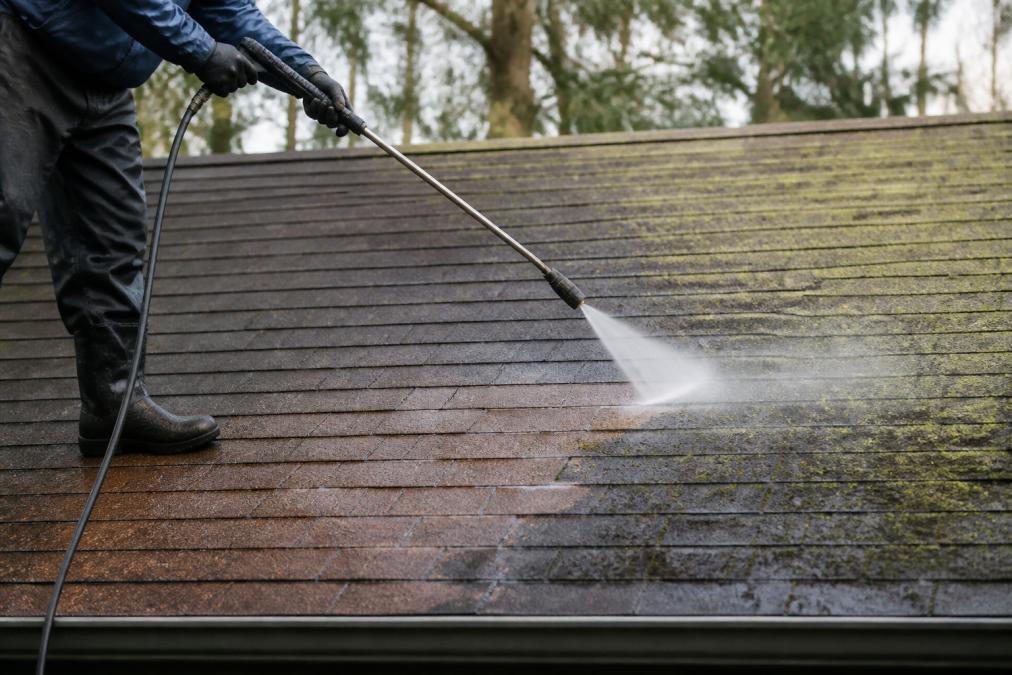
Table of Contents
- Why Algae Grows on Asphalt Shingles
- Safety Precautions Before You Start Cleaning
- Best Roof Cleaner for Asphalt Shingles
- Step-by-Step Process to Remove Algae From Roof Shingles
- Is Pressure Washing Bad for Roof Shingles
- Preventing Roof Algae Growth
- When to Call a Professional
- Conclusion
- Frequently Asked Questions
Last Updated: September 27, 2026
Why Algae Grows on Asphalt Shingles
Algae thrives on asphalt shingles because your roof provides moisture, shade, and organic material. Coastal areas with salt spray and humidity see this problem most often.
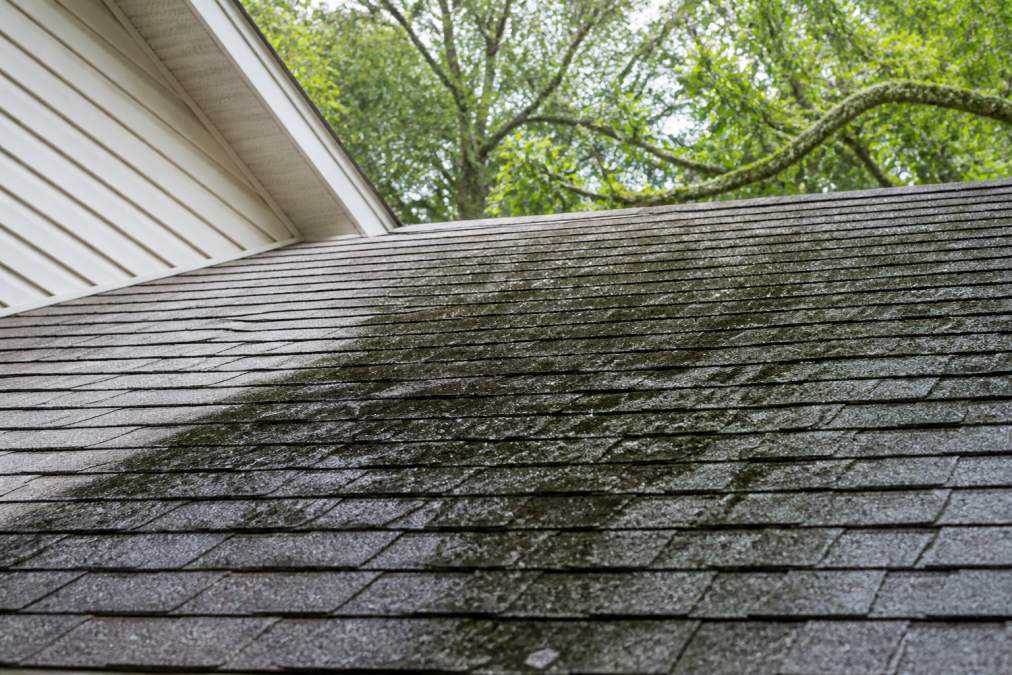
Asphalt shingles contain limestone filler that algae feeds on. When spores land on your roof, they colonize quickly in areas with poor drainage, heavy shade, or high moisture retention. Homes surrounded by trees or in low-lying areas typically face algae growth within 3-5 years of installation.
Identifying Algae, Moss, and Fungal Growth
Algae appears as black or dark green streaks running down your roof, caused by Gloeocapsa magma spores. Moss looks thicker and bushier, growing in clumps and retaining more moisture, making it heavier and more damaging. Fungal growth creates similar patterns but may appear in different colors. The key difference: algae stains are thin and streaky, while moss is three-dimensional and clumpy. Both reduce curb appeal and can shorten your roof’s lifespan if left untreated.
Safety Precautions Before You Start Cleaning
Never skip safety steps, falls from roofs cause serious injury, and pressure washing adds additional risks.
Essential protective gear:
- Safety harness rated for roof work
- Non-slip shoes with good grip
- Gloves (nitrile or rubber)
- Eye protection or safety goggles
- Respirator mask (if using chemical solutions)
- Long sleeves and pants
Before climbing:
- Check weather conditions; do not work on wet or windy days
- Inspect your roof for loose shingles or damage
- Use a sturdy ladder on level ground with someone spotting you
- Never work alone
Chemical safety:
- Read all product labels completely
- Wear gloves and eye protection when mixing solutions
- Ensure proper ventilation and never mix different cleaning products
Mixing sodium hypochlorite with ammonia or other cleaners creates toxic chlorine gas. This can cause severe respiratory damage or death. Use only one cleaning solution at a time.
Best Roof Cleaner for Asphalt Shingles
The best cleaner depends on your roof’s age and manufacturer’s warranty. Some work faster; others are gentler on shingles. The choice affects both results and warranty coverage.
Sodium Hypochlorite vs. Oxygen Bleach Solutions
Sodium hypochlorite (standard bleach) kills algae quickly and is inexpensive, typically diluted 1 part bleach to 3 parts water. However, it can damage roof granules if overused, shortening your roof’s life and creating runoff that harms plants.
Oxygen bleach works more slowly but gentler, breaking down into water and oxygen with no toxic residue. It won’t damage granules or harm vegetation and requires mixing powder with water and letting it activate for 15-20 minutes.
For most homeowners, oxygen bleach is the safer choice. It removes algae effectively while protecting your investment. Sodium hypochlorite works for stubborn cases, but requires careful application and thorough rinsing.
Warranty Implications of DIY Cleaning
Before selecting a cleaning method, review your roof’s manufacturer warranty, this step is often overlooked and can have serious financial consequences.
Most asphalt shingle manufacturers explicitly warn against pressure washing and restrict sodium hypochlorite use or require specific dilution ratios. Some warranties void protection against algae-related damage if cleaning is performed by a homeowner rather than a licensed contractor.
Your warranty covers manufacturing defects and premature granule loss from normal weathering, but not damage from improper cleaning. Improper pressure washing or bleach application can result in denied claims and replacement costs.
Check your warranty for these specific restrictions:
- Approved cleaning methods (chemical only vs. pressure washing allowed)
- Approved cleaning solutions and dilution ratios
- Whether cleaning must be performed by a licensed contractor
- Time limits on when cleaning is permitted (some warranties require cleaning within a certain window after installation)
- Whether algae damage is covered if left untreated beyond a certain timeframe
If your roof is under warranty, contact the manufacturer or roofing contractor before cleaning to confirm safe methods. If your roof is past warranty, you have more flexibility, though oxygen bleach remains gentler.
Test any cleaning solution on a small, hidden area first. This shows you how your specific shingles will react before treating the entire roof. If your roof is under warranty, test on a section that won’t be visible in case the manufacturer later inspects your work.
Step-by-Step Process to Remove Algae From Roof Shingles
Removing algae requires patience and the right technique to prevent shingle damage while eliminating growth.
Preparation and Setup
Step 1: Gather your materials
- Cleaning solution (oxygen bleach or diluted sodium hypochlorite)
- Sprayer or pump sprayer
- Soft-bristled brush
- Garden hose with adjustable nozzle
- Protective gear (all items listed above)
- Ladder and safety harness
Step 2: Clear debris
Remove leaves, branches, and dirt using a soft brush or broom, do not use pressure washers, as they damage shingles.
Book Your Free Roof Inspection Online →
Step 3: Inspect for damage
Look for cracked, missing, or lifted shingles. Note any areas needing repair. These should be addressed after cleaning or by a professional.
Step 4: Set up safety equipment
Attach your safety harness. Position your ladder securely. Have someone monitor your work from below.
Application and Dwell Time
Step 5: Mix your cleaning solution
Follow the manufacturer’s instructions exactly, never guess at ratios.
Step 6: Apply the solution
Spray the solution evenly across affected areas.
Rinsing and Final Inspection
Step 9: Rinse thoroughly
Use a garden hose with low pressure, starting from the top and working downward until all residue is gone.
Is Pressure Washing Bad for Roof Shingles
Pressure washing removes algae fast but also removes roof granules, making it risky. High-pressure water forces under shingles, lifting them and creating gaps for water infiltration. Once granules are gone, they don’t grow back, causing faster aging and increased leak risk. Manufacturer warranties often exclude pressure-washing damage.
Pressure washing voids many roof warranties. Check your shingle manufacturer’s guidelines before considering it. Most recommend against it entirely.
Preventing Roof Algae Growth
Stopping algae before it starts is easier than removing it. Prevention saves time, money, and extends your roof’s lifespan. A multi-layered approach, combining vegetation management, drainage improvement, and chemical inhibitors, delivers the best long-term results.
Vegetation Management and Tree Trimming
Trim tree branches that hang over your roof to improve air circulation and reduce moisture retention. Maintain at least 6 feet of clearance to prevent leaves and debris from accumulating on shingles. Cut branches at a 45-degree angle just outside the branch collar to promote healing. For large branches, hire a certified arborist.
Drainage Improvement and Gutter Maintenance
Improve drainage by cleaning gutters at least twice yearly (spring and fall). Ensure downspouts direct water 4-6 feet away from your foundation. Debris in gutters blocks water flow and creates nutrient-rich sludge that feeds algae spores.
Chemical Inhibitors and Algae-Resistant Materials
Add zinc or copper strips to your roof ridge. These metals naturally inhibit algae growth. Water running over the strips carries mineral ions that prevent spore colonization. Installation is simple: nail or screw strips along the ridge, leaving a small gap for water flow. Over time (typically 6-12 months), the metals oxidize and release protective compounds that wash down the roof, creating a preventive barrier.
Annual Maintenance Checklist
Regular maintenance prevents major problems. A simple annual inspection catches issues early. Most roofing professionals recommend a professional roof inspection every 2-3 years, especially in coastal areas where salt spray accelerates deterioration and in heavily shaded areas where moisture lingers.
Annual maintenance checklist:
- Clear debris from roof and gutters (spring and fall)
- Trim overhanging branches to maintain 6+ feet clearance
- Inspect for algae, moss, or fungal growth
- Check for damaged or missing shingles
- Look for granule loss in gutters (a sign of aging or UV damage)
- Ensure gutters slope toward downspouts and downspouts direct water away from foundation
- Check for standing water or pooling on flat roof sections
- Inspect flashing around chimneys, vents, and skylights for gaps or deterioration
When to Call a Professional
Some situations require professional help. Knowing when to call saves money and prevents damage.
Call a professional if:
- Your roof is steeply pitched or very high
- You’re uncomfortable working at heights
- Algae covers more than 25% of your roof
- You suspect underlying damage or leaks
- Your roof is near the end of its lifespan
- You have a complex roof design with multiple valleys or angles
- Your roof warranty requires professional cleaning
Conclusion
Learning how to remove algae from roof shingles is straightforward, it’s preventable and treatable. Using the right cleaning solution and technique removes growth without damaging your investment. Oxygen bleach offers a safer alternative to pressure washing. Regular maintenance and vegetation management prevent future problems.
Frequently Asked Questions
What is the green growth on my shingles?
The black or dark green streaks on your roof are typically caused by Gloeocapsa magma, a type of algae that thrives in moist, shaded environments. This biological growth feeds on the organic materials in asphalt shingles and releases spores that spread across your roof. While algae stains are primarily a cosmetic issue, they can trap moisture and eventually affect shingle integrity if left untreated for years. Coastal areas with high humidity are particularly susceptible.
Is pressure washing bad for roof shingles?
High-pressure washing can damage asphalt shingles by dislodging roof granules, which protect the shingles from UV exposure and weather. Granule loss shortens roof longevity and may void manufacturer guidelines. Low-pressure rinsing (under 50 PSI) is safer, but chemical solutions with proper dwell time are more effective and gentler. Most professionals recommend avoiding pressure washing altogether and instead using sodium hypochlorite or oxygen bleach solutions applied at ground level or with a pump sprayer.
How often should I clean algae off my roof?
Most homeowners should inspect their roofs annually, particularly in spring and fall. If you notice black streaks or algae growth, address it within a season to prevent spores from spreading. In humid or heavily shaded areas, you may need cleaning every 1-2 years. Regular preventative maintenance, such as trimming branches and ensuring proper roof drainage, reduces the frequency of deep cleaning needed and extends roof longevity significantly.
Does algae damage roof shingles?
Algae itself doesn’t directly destroy shingles, but it traps moisture that can degrade the asphalt and underlying materials over time. Moisture retention accelerates granule loss and weakens shingle integrity, potentially shortening your roof’s lifespan by several years if ignored. The biological growth also promotes fungal development, which is more destructive. Early removal prevents this compounding damage and protects your home investment and curb appeal.