

Maven Resource Blog
Roofing Shingles for Hurricane Zones: 2026 Comparison
Compare roofing shingles for hurricane zones in 2026. See wind ratings, Class 4 impact options, underlayment, and installation details that matter.
Book a free roof inspection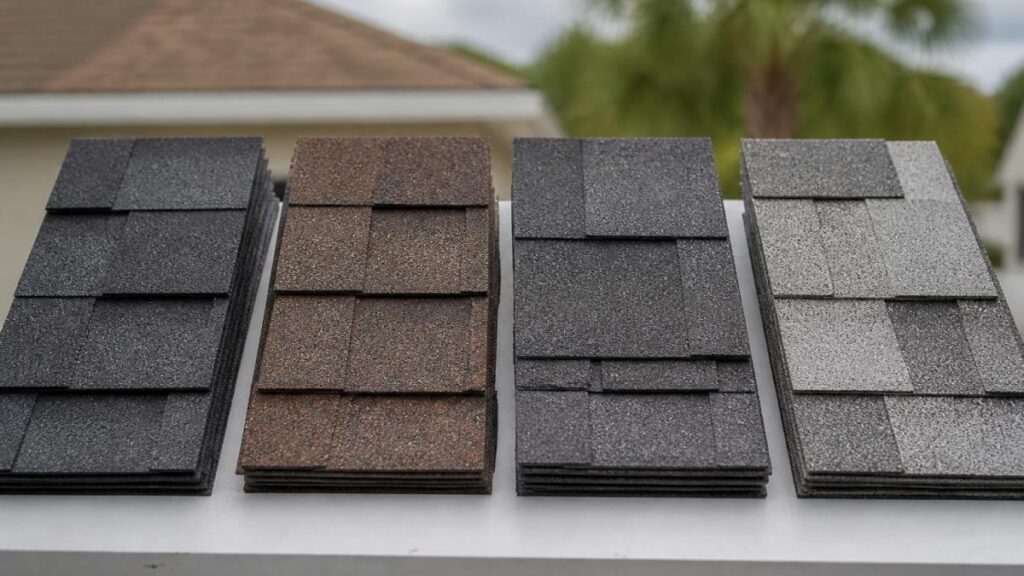
Table of Contents
- Quick Comparison: Roofing Shingles for Hurricane Zones
- What Makes High-Wind Roof Shingles Hold Up in a Storm
- Wind-Rated Asphalt Shingles: The 110 to 130 mph Options
- Class 4 Impact-Resistant Shingles: Hail and Debris Protection
- Composite Shingles: Bellaforte and CeDUR Side by Side
- Roof Underlayment for High Winds: The Layer That Decides
- Installation, Nail Patterns, and Edge Reinforcement
- Conclusion: How to Choose Roofing Shingles for Hurricane Zones
- Frequently Asked Questions
Last Updated: October 5, 2026
Quick Comparison: Roofing Shingles for Hurricane Zones
Choosing roofing shingles for hurricane zones comes down to three numbers: wind rating, impact class, and how well the whole roof system holds together. Shingles with a 110-130 mph wind rating and a Class 4 impact rating often survive storms that destroy standard three-tab products.
Here is how the main options stack up.
| Option | Reported Wind Rating | Impact Rating | Best For |
|---|---|---|---|
| Wind-rated asphalt (e.g., TAMKO Heritage IR) | 110-130 mph | Class 4 | Cost-conscious storm protection |
| Composite shake (DaVinci Bellaforte, CeDUR) | Manufacturer-rated, varies | Class 4 | Homeowners wanting a shake look |
| Composite slate (DaVinci Bellaforte Slate) | Manufacturer-rated, varies | Class 4 | Slate appearance without slate weight |
| Standard architectural asphalt | Often below 110 mph | Class 3 or lower | Inland, low-wind areas only |
The table tells you what to buy, not why the same shingle can fail on one house and hold on another.
What Makes High-Wind Roof Shingles Hold Up in a Storm
Wind does not peel shingles off from the top down. It lifts them from the edge and the ridge, where pressure differences create uplift. Once one shingle releases, the ones behind it follow.
Three things decide whether that happens:
- Wind rating. A shingle rated to 130 mph has passed uplift testing at that speed. A 110 mph rating is the common floor for high-wind zones.
- Impact resistance. Class 4 is the top rating for resistance to hail and flying debris.
- The system around the shingle. Underlayment, fasteners, and edge details matter as much as the shingle itself.
This is where most buying decisions go wrong. Homeowners compare shingle brands while ignoring the layers underneath. A premium shingle nailed over worn underlayment will still leak.
The shingle is one component. Wind performance is a system result, and the system includes underlayment, fasteners, and edge reinforcement.
Wind-Rated Asphalt Shingles: The 110 to 130 mph Options
Wind-rated asphalt shingles are the practical starting point for most storm-prone homes. They cost less than composite, install with familiar methods, and carry clear ratings you can check before you buy.
TAMKO Heritage IR is the example that shows up most often in hurricane-zone comparisons. According to TAMKO’s product documentation, it pairs a Class 4 impact rating with reported wind ratings in the 110-130 mph range.
What most guides miss is the gap between the rating and the install. A 130 mph shingle installed with too few nails, or with staples instead of nails, does not perform at 130 mph.
Pros:
- Lower material cost than composite
- Widely available and familiar to most crews
- Clear, published ratings you can verify
Cons:
- Ratings depend heavily on correct installation
- Shorter service life than composite in coastal sun and salt air
Class 4 Impact-Resistant Shingles: Hail and Debris Protection
Class 4 impact-resistant shingles are rated to resist damage from large hailstones and wind-borne debris, a rating separate from wind uplift. A shingle can carry a strong wind rating and still crack under hail.
The Class 4 designation comes from standardized impact testing and matters for two reasons: it protects the roof surface itself, and many insurers recognize impact-resistant roofing in their underwriting.
For homeowners in coastal storm zones, this is the rating to prioritize after wind. Debris carried at storm speed does more surface damage than rain alone.
Do not assume a high wind rating includes impact protection. These are two separate tests, and a product can pass one while failing the other.
Composite Shingles: Bellaforte and CeDUR Side by Side
Composite shingles are engineered products molded from polymers, fillers, and sometimes recycled content, formed to imitate cedar shake or slate.
Two product families come up repeatedly in coastal comparisons: DaVinci Bellaforte and CeDUR. Bellaforte is offered in shake and slate profiles; CeDUR is a composite shake product.
| Feature | DaVinci Bellaforte | CeDUR Shake |
|---|---|---|
| Profiles | Shake and slate | Shake |
| Material class | Composite (polymer-based) | Composite (polyurethane-based) |
| Impact rating | Class 4 (manufacturer-stated) | Class 4 (manufacturer-stated) |
| Wind rating | Product- and profile-specific; confirm on the current spec sheet | Product-specific; confirm on the current spec sheet |
| Appearance | Cedar shake or slate | Cedar shake |
| Fastening | Manufacturer-specified nail pattern; confirm per profile | Manufacturer-specified nail pattern; confirm per profile |
| Warranty | Varies by product and installer certification | Varies by product and installer certification |
Here is the honest limitation most comparison articles skip: a composite shingle’s published rating is a laboratory result tied to a specific installation.
Book Your Free Roof Inspection Online →
What separates composite from asphalt in a storm comes down to four things:
- Mass and stiffness. The heavier profile resists uplift and flutter better at the same wind speed, reducing the fatigue that loosens fasteners over years of smaller storms.
- Seam geometry. Molded interlocking profiles expose fewer free edges for wind to catch than a flat asphalt tab.
- Surface durability. Composite holds its color and texture longer under coastal sun and salt exposure.
- Fastener demand. The extra weight means the fastening pattern and deck condition matter more, not less. A soft deck will not hold a heavy composite shingle the way it holds asphalt.
The trade-off is straightforward. Composite costs more up front, weighs more, and narrows your installer pool because not every crew is certified to install it. Asphalt costs less, installs with familiar methods, and is available everywhere.
Before you commit to either product, ask for three documents: the current manufacturer specification sheet for the exact profile, the wind and impact test report behind the rating, and the warranty document. If the installer cannot produce all three, the rating on the marketing page is not something you can rely on.
A Class 4 impact rating and a high wind rating are separate tests. A product can carry one and not the other, and neither rating covers installation errors, a failing deck, or missing edge reinforcement.
Roof Underlayment for High Winds: The Layer That Decides
Roof underlayment is the water barrier between the roof deck and the shingles, and in a hurricane zone it decides whether a storm becomes a repair or a replacement.
Three underlayment approaches show up in high-wind construction:
- Standard felt. Inexpensive and fine under normal rain, but it tears easily once shingles are gone and wind-driven rain is driving sideways across it.
- Synthetic underlayment. A woven or spun polymer sheet that resists tearing and stays in place longer under uplift, the common upgrade in coastal construction.
- Secondary water barrier (peel-and-stick membrane). A self-adhering membrane that seals around fastener penetrations and prevents water from migrating sideways beneath the roof covering. It is the most protective option and the one most often tied to code requirements in high-wind zones.
Where the barrier goes matters as much as which one you choose. Wind-driven rain concentrates at the eaves, in valleys, and around penetrations, so those areas are most likely to be called out in local requirements.
This is also where insurance and documentation enter the picture, the part most guides leave out. Many insurers recognize impact-resistant roofing and secondary water barriers in their underwriting, and some offer premium credits for verified installations.
A practical checklist for the underlayment and documentation stage:
- Confirm the local code requirement for your wind zone, including whether a secondary water barrier is required at the eaves, in valleys, or across the full deck.
- Verify the product is approved for your jurisdiction and that the approval covers the specific application, not just the product family.
- Ask your insurer what documentation they require for any wind or impact credit before the work starts.
- Keep the installation record. Product labels, batch information, photos of the underlayment before shingles go on, and the contractor’s fastening specification support a claim or credit later.
- Match the underlayment to the shingle system. A premium shingle over a torn or missing barrier does not deliver the performance the rating promises.
The underlayment is where code compliance, insurance eligibility, and real-world water protection converge. Treat it as a documentation task, not just a materials choice.
Ask your contractor which underlayment product they plan to use, whether it meets the secondary water barrier requirement for your wind zone, and what documentation they will hand you at the end of the job. If they cannot answer all three, that is a signal.
Installation, Nail Patterns, and Edge Reinforcement
Installation is where rated products either perform or fail: a shingle rated to 130 mph reaches that number only when fastened exactly as the manufacturer specifies.
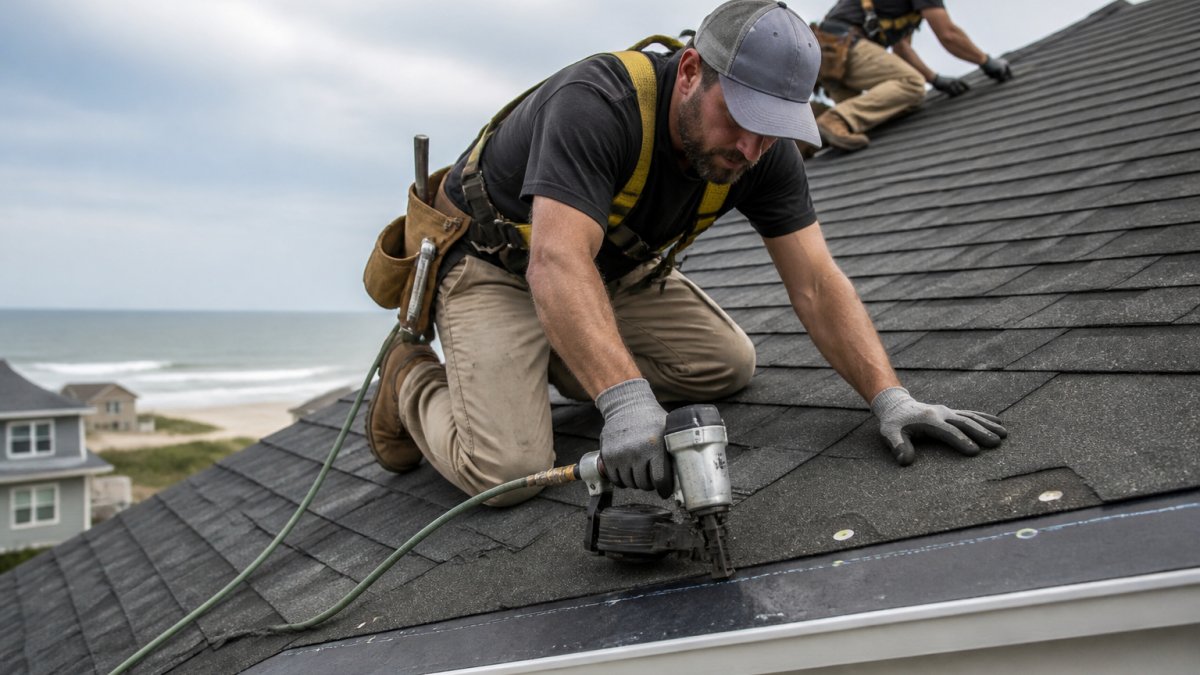
The details that matter most:
- Nail pattern. Manufacturers specify the number of nails per shingle and their placement. High-wind zones typically require more nails than the standard pattern, placed in the reinforced nail line.
- Nails versus staples. Staples have less holding power under uplift. Most high-wind specifications call for roofing nails with proper head diameter.
- Starter strip. The first course at the eave takes the most uplift pressure. A manufacturer-approved starter strip locks the edge down.
- Ridge cap. The ridge is the other high-pressure zone. Ridge caps must be rated for the same wind speed as the field shingles.
- Roof edge. Edge metal and drip edge secure the perimeter and keep wind from getting under the first course.
Roof slope and shape also affect uplift: steeper and hip roofs generally shed wind better than low-slope or gable roofs with large overhangs.
Staples and skipped nails are the two most common installation shortcuts we find on storm-damaged roofs. Both void the wind rating in practice.
Conclusion: How to Choose Roofing Shingles for Hurricane Zones
Every product looks adequate on a showroom sample, and the difference only shows up in a storm. Ratings tell you what a product can do; installation and the roof system around it decide what it actually does.
At Maven Roofing, we handle this end to end. Our free roof inspections assess the full system, not just the shingle surface. We are veteran-owned and have served Eastern North Carolina since 2015, with work built around coastal weather protection.
Book your free roof inspection online and get a clear assessment before the next storm season.
Frequently Asked Questions
What type of roof shingles are best for high wind areas?
Wind-rated asphalt shingles and composite shingles with documented wind ratings are the strongest choices for high wind areas. TAMKO Heritage IR, for example, is reported with a 110 to 130 mph wind rating and a Class 4 impact rating. Composite options like DaVinci Bellaforte and CeDUR Shake also appear in hurricane-zone comparisons. The rating matters most when the installation follows the manufacturer’s instructions exactly, including nail pattern and starter strip placement.
What size hail can Class 4 impact-resistant shingles withstand?
Class 4 is the highest impact rating under the UL 2218 standard, which tests shingles against steel balls dropped from height to simulate hail. Class 4 shingles resist the largest test impact in that standard. That rating covers hail and flying debris, not wind uplift. A shingle can carry Class 4 impact protection and still need a separate wind rating to perform in hurricane conditions, so check both numbers on the product label.
Do impact-resistant shingles also resist hurricane-force winds?
Not automatically. Impact resistance and wind resistance are tested separately. A Class 4 impact-resistant shingle may carry a lower wind rating than a standard shingle engineered for uplift. When comparing roofing shingles for hurricane zones, look for products that state both a Class 4 impact rating and a wind rating above 110 mph. TAMKO Heritage IR is one example reported with both. The roof system around the shingle, including underlayment and edge metal, also affects how the roof handles wind.
What features should you compare when choosing shingles for hurricane zones?
Compare four things: the wind rating in mph, the impact rating under UL 2218, the warranty terms including whether coverage is prorated, and how the product handles the full roof system. Ask about underlayment, starter strips, ridge caps, and edge reinforcement, since shingle blow-off often starts at the edges. Also confirm the product holds a current approval where local code requires one, and that the installer follows manufacturer instructions for your roof slope and shape.
How does roof installation affect shingle performance in high winds?
Installation decides whether a shingle ever reaches its rated wind speed. Nails placed too high, too few fasteners per shingle, or staples instead of nails all weaken the hold. The starter strip and ridge cap must be installed to the manufacturer’s pattern, and edge metal needs proper fastening. A roof deck in poor condition or missing secondary water barrier undermines even the best shingle. Ask your contractor to follow manufacturer installation instructions exactly and to document the work.